
Views: 0 Author: Site Editor Publish Time: 2026-09-30 Origin: Site


Managing heat stress on active job sites forces safety managers to make tough calls daily. You have to keep crews cool during brutal summer concrete pours without sacrificing protection against falling debris or traumatic brain injuries. Procurement teams face a constant battle balancing worker comfort with strict site hazard profiles, especially when dealing with overhead electrical exposure and confined spaces. We will break down the exact mechanics of vented head protection. This technical evaluation provides a clear, field-tested framework to determine when these specific models meet OSHA and ANSI standards for your specific environments. You will see exactly how airflow systems function, where strict electrical limitations apply, and how to deploy these units safely across different trades without introducing new compliance risks.
Impact Compliance: Vented safety helmets offer identical impact protection (ANSI Type I or Type II) to their non-vented counterparts, provided they are certified by the manufacturer.
The Electrical Limitation: Vented models are strictly classified as ANSI Class C (Conductive), meaning they offer zero protection against electrical hazards.
Heat Stress Mitigation: Active airflow significantly reduces internal helmet temperatures, directly correlating to lower worker fatigue and higher PPE compliance rates.
Material Integrity: High-quality ABS safety helmet constructions ensure that the inclusion of vents does not compromise the shell's structural rigidity or UV resistance.
The traditional industrial hard hat relied entirely on a woven nylon suspension system to absorb impact energy. This legacy design left a significant gap between the outer plastic shell and the worker's head, trapping radiant body heat inside the dome. Modern engineering shifted toward climbing-style profiles to improve overall safety and thermal management. These updated designs incorporate expanded polystyrene (EPS) or expanded polypropylene (EPP) foam liners paired with integrated four-point chin straps. This evolution directly addresses both impact absorption and retention during complex falls, while fundamentally changing how heat escapes the shell.
Strategically placed vents facilitate active convective cooling across the scalp. As a worker's body temperature rises during heavy physical labor, heat radiates upward from the head. In a sealed shell, this thermal energy becomes trapped, creating a microclimate that accelerates heat exhaustion. Vents allow this trapped thermal energy to escape outward into the atmosphere. Cooler ambient air naturally replaces the escaping heat through lower intake channels. This continuous airflow cycle significantly reduces internal temperatures, keeping workers focused, alert, and less prone to heat-induced cognitive errors.
Advanced models feature sliding shutters or adjustable external covers. Workers can manually open or close the vents based on immediate environmental conditions. During heavy rain, overhead concrete pouring, or high-dust operations like masonry cutting, closing the shutters prevents hazardous ingress. This adaptability effectively bridges the gap between a fully vented unit and a standard non vented safety helmet, giving field crews control over their immediate protection requirements.
Procurement teams must evaluate specific performance metrics before approving any vented model for site use. A viable model must maintain absolute structural integrity under heavy load and meet baseline impact certifications without fail. You must verify the following criteria before deployment:
Verify the presence of a permanent ANSI Z89.1 certification stamp molded directly into the interior shell.
Confirm the chin strap mechanism features a breakaway point calibrated to prevent strangulation during snag events.
Inspect the sliding vent shutters to ensure they lock securely in both the open and closed positions without rattling.
Evaluate the internal EPS foam liner for adequate thickness directly beneath the vent openings.
Test the suspension adjustment dial with heavy leather work gloves to ensure field usability.
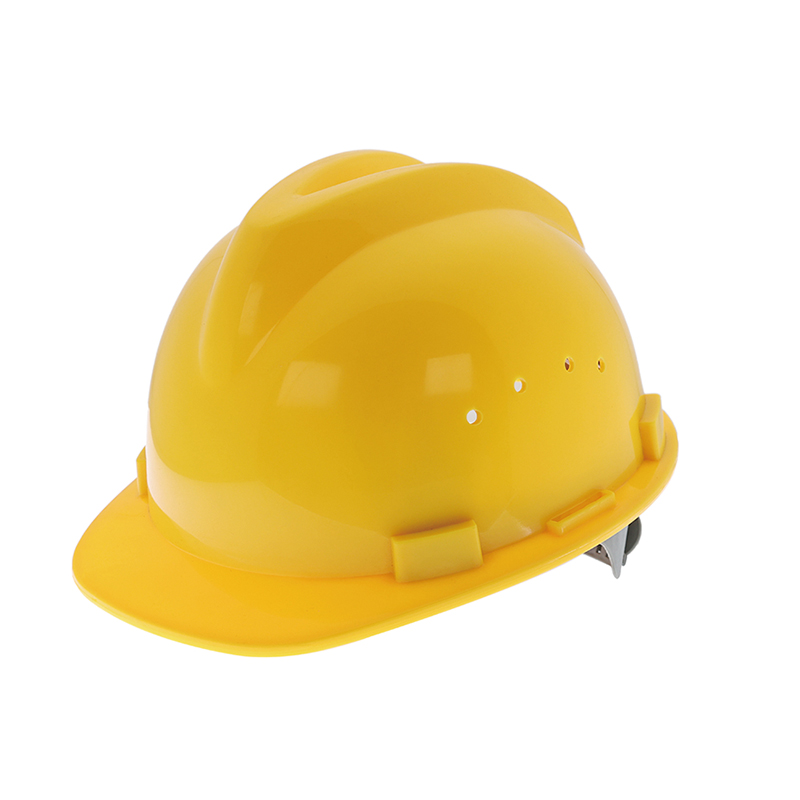
Impact protection remains the primary function of any headgear on a construction site. Vents are meticulously engineered to maintain top-of-head (Type I) resistance. The ANSI Z89.1 Type I test requires the shell to withstand an 8-pound steel impactor dropped from a height of five feet. The force transmitted to the test headform cannot exceed 1,000 pounds of peak force. Vented models pass this exact same test as solid models. Manufacturers compensate for the missing plastic at the vent locations by increasing the density and thickness of the EPS foam directly beneath those channels.
Many vented models successfully achieve lateral or side (Type II) impact resistance. Type II testing involves dropping the impactor on the front, back, and sides of the shell. The internal high-density foam liner absorbs and dissipates this off-center kinetic energy. The presence of vents does not inherently weaken the lateral structural integrity, provided the manufacturer utilizes a high-quality thermoplastic blend and a continuous foam insert.
Vented models fall strictly under the ANSI Class C (Conductive) classification. The physical presence of holes in the shell eliminates all dielectric resistance. Vents allow environmental elements like water, sweat, or conductive metallic dust to bridge the gap directly to the wearer's head. You must establish a hard rule for site safety regarding electrical exposure. Electricians, linemen, and workers in environments with exposed high-voltage risks cannot use vented models under any circumstances. They require Class E (Electrical) ratings, which are tested to withstand 20,000 volts, or Class G (General) ratings, tested to 2,200 volts.
Many modern vented units carry European standards like EN 12492 (Mountaineering equipment) or EN 397 (Industrial safety helmets) alongside their ANSI certifications. These standards require superior chin strap retention, mandating that the strap holds under significant force to prevent the helmet from flying off during a fall. They also mandate rigorous multi-impact protection testing. Crossover certifications validate the equipment's ability to protect workers during complex falls, scaffolding collapses, or confined space rescues where secondary impacts are highly probable.
Manufacturers heavily reinforce the specific areas surrounding the vents to ensure structural integrity. This reinforcement ensures the shell passes the rigorous ANSI penetration test. During this test, a 2.2-pound pointed steel penetrator drops directly onto the shell from a specified height. The vents must not compromise the shell's ability to deflect or halt the penetrator before it makes contact with the internal headform. The angled design of modern vent louvers helps deflect falling objects away from the openings.
Vents inherently introduce a pathway for external hazards. You must evaluate the risk of hazardous liquids entering the shell. Molten metal, caustic chemical splashes, or fine particulate matter like silica dust can easily pass through open vents. Sites with heavy concrete cutting, chemical processing, or overhead pouring require careful evaluation before allowing vented models on the floor. If a worker is tying rebar directly below an active concrete pump truck, a vented shell exposes them to slurry ingress.
Vents demand strict inspection and cleaning routines from the workforce. Dust buildup inside the vent channels restricts critical airflow, negating the cooling benefits. Over time, accumulated grime, sweat, and sunscreen can chemically degrade the EPS liner. Workers must regularly clean the shell and liner using mild soap and warm water to maintain optimal performance and hygiene. Harsh solvents will destroy the foam liner and weaken the thermoplastic shell.
Thermal burden heavily influences PPE compliance across all construction trades. Reducing heat stress directly correlates with increased worker willingness to wear the equipment consistently. Higher voluntary adoption rates significantly reduce overall site liability and severe injury frequency. When workers are comfortable, they are less likely to push their headgear back on their heads or remove it entirely when the safety manager walks away.
| Performance Metric | Vented Models | Non-Vented Models |
|---|---|---|
| ANSI Electrical Classification | Class C (Conductive) - Zero electrical protection | Class E (20,000V) or Class G (2,200V) |
| Heat Stress Mitigation | High (Active convective cooling and heat exhaust) | Low (Traps radiant body heat inside the shell) |
| Liquid and Debris Ingress Protection | Moderate (Vents allow potential pathway for hazards) | High (Solid shell blocks all overhead liquids and dust) |
| Ideal Trade Applications | Framing, roofing, roadwork, high-heat outdoor labor | Electrical work, chemical plants, confined space entry |
| Weight Profile | Slightly lighter due to removed shell material | Standard weight based on material thickness |
Acrylonitrile Butadiene Styrene (ABS) serves as the preferred thermoplastic for modern vented models. ABS blends the strength and rigidity of acrylonitrile and styrene polymers with the extreme toughness of polybutadiene rubber. This molecular structure allows the shell to absorb massive blunt force trauma without shattering. When a dropped tool hits the shell, the ABS material flexes slightly, transferring the kinetic energy into the EPS foam liner rather than the worker's cervical spine. A high-quality ABS safety helmet withstands daily job site abuse while keeping the wearer comfortable throughout a ten-hour shift.
Prolonged ultraviolet exposure degrades all thermoplastics over time through photo-oxidation. UV radiation breaks down the polymer chains, causing the plastic to become brittle and chalky. Vented ABS shells require regular visual inspection because the edges around the vents are particularly susceptible to stress concentrations. Safety officers must examine these edges for micro-cracking, flaking, or severe discoloration. While ABS generally resists UV damage better than traditional high-density polyethylene (HDPE), it is never entirely immune to solar degradation on an outdoor job site.
Premium ABS models typically carry a five-to-ten-year lifespan from the date of manufacture, depending on the specific brand guidelines. Tracking this expiration date remains critical for OSHA compliance. You must ensure vents, suspension systems, and EPS foam remain structurally sound throughout their entire lifecycle. Implement strict replacement schedules based entirely on manufacturer guidelines and field wear.
Locate the molded date dial on the underside of the brim to determine the exact month and year of manufacture.
Squeeze the sides of the shell inward; listen for any cracking sounds that indicate the plastic has become brittle.
Inspect the EPS foam liner for dents, gouges, or compression marks from previous impacts.
Check the chin strap webbing for fraying, chemical burns, or broken stitching near the anchor points.
Verify that the vent shutters slide smoothly and lock into place without forcing the mechanism.
Vented models excel in specific, high-exertion environments. Concrete flatwork, timber framing, and road construction during summer months represent ideal use cases. In these scenarios, electrical risks remain minimal or non-existent. The primary threat to worker safety is heat exhaustion or heat stroke. A specialized construction helmet with active airflow mitigates this thermal threat effectively, keeping core temperatures down and preventing heat-related illnesses.
High-voltage areas demand strict regulatory compliance and sealed headgear. Chemical processing plants and confined spaces with splash hazards also require sealed head protection. In these exclusion zones, a non-vented model is a strict, non-negotiable requirement to prevent catastrophic injuries. A single drop of conductive liquid passing through a vent can initiate a fatal arc flash event in a high-voltage environment.
Safety managers must utilize a rigid decision matrix for PPE approval. Weigh the severe risks of heat stress against environmental hazards. Heat stroke can be fatal on a mid-summer job site, and impaired cognitive function leads to secondary accidents. However, an electrical arc flash or chemical splash through an open vent also carries catastrophic consequences. Base all procurement decisions on comprehensive Job Hazard Analyses (JHAs) tailored to specific trades and daily tasks.
| Trade / Task | Primary Hazard Profile | Recommended Head Protection |
|---|---|---|
| Commercial Roofing | Extreme heat stress, fall hazards, no overhead electrical | Vented Class C with 4-point chin strap |
| Electrical Panel Wiring | High voltage exposure, arc flash potential | Non-Vented Class E (20,000V rating) |
| Concrete Flatwork | Heat exhaustion, sun exposure, low impact risk | Vented Class C with wide brim accessory |
| Chemical Plant Maintenance | Caustic liquid splashes, overhead pipe leaks | Non-Vented Class G or E |
| Tower Crane Rigging | High wind, complex falls, dropped objects | Vented Class C with EN 12492 certification |
Operating both vented and non-vented models on a single job site introduces serious logistical risks. A worker might accidentally grab a Class C vented model from the gang box for electrical panel work. This simple mistake violates safety protocols and severely endangers the worker. Site managers must control inventory tightly and implement visual identification systems to prevent cross-contamination of PPE ratings.
Implement strict issuing protocols to separate Class C and Class E gear. Use color-coding systems to visually identify equipment ratings across the site. For example, issue only white non-vented models to electricians and electrical apprentices. Issue high-visibility orange or yellow vented models exclusively to general laborers, ironworkers, and framers. This allows safety managers to identify compliance violations from across the site instantly.
Modern head protection often requires functional attachments. Workers frequently add face shields, ear defenders, or headlamps to their gear. You must ensure these accessories do not physically obstruct the vents. Blocking the airflow completely negates the primary benefit of a vented safety helmet. Test all accessory configurations in the field before full deployment. Ensure headlamp straps route above or below the vent channels rather than directly over them.
Vented models are entirely safe and highly beneficial for impact protection when deployed correctly. They must be utilized exclusively in electrically safe environments where the risk of overhead liquid ingress is minimal. When implemented properly, a premium Safety Helmet with active airflow transforms worker comfort, reduces heat-related illnesses, and elevates overall site safety compliance.
Safety officers should audit site hazard assessments carefully before making changes to the PPE roster. Confirm the absolute absence of electrical and chemical splash risks before shortlisting vented models for your crews. Proper deployment requires strict inventory management and clear communication with field personnel regarding the limitations of Class C gear.
Audit your current job hazard analyses (JHAs) to identify all specific tasks requiring Class E electrical protection.
Remove all expired, cracked, or heavily degraded headgear from your active site inventory immediately.
Issue color-coded head protection to visually separate electrical workers from general laborers and framers.
Require field crews to test accessory compatibility with any new vented models before full site deployment.
A: OSHA does not approve specific products. Instead, OSHA enforces the ANSI Z89.1 standard for head protection. If a vented model carries the appropriate ANSI certification stamp on the inside of the shell, it complies with OSHA regulations for impact protection. These models will always carry a Class C (Conductive) rating, meaning they meet impact requirements but offer zero electrical resistance.
A: No. Electricians and linemen must never wear vented models. The open vents eliminate all dielectric resistance, allowing water, sweat, or conductive dust to create a direct path for electrical current to reach the head. Electrical workers require Class E (Electrical) non-vented models, which are tested to withstand 20,000 volts.
A: Yes, provided it carries an ANSI Type II certification. Venting does not prevent a model from passing lateral impact tests. Manufacturers utilize thick, high-density EPS foam liners that wrap around the sides and back of the head to absorb off-center impacts effectively, compensating for any shell material removed for the vents.
A: ABS provides superior impact resistance, structural rigidity, and longevity compared to standard high-density polyethylene (HDPE). When paired with an EPS foam liner and a four-point chin strap, an ABS shell offers significantly better protection during complex falls and multi-directional impacts than a traditional suspension-based hard hat.
A: Yes. Open vents create a direct pathway for liquids and fine particulate matter. Many modern designs feature angled vent louvers to deflect light rain. Advanced models also include sliding external shutters, allowing workers to manually close the vents entirely during heavy downpours, concrete pouring, or high-dust operations.
A: Active convective cooling can reduce internal temperatures by several degrees compared to sealed models. While exact temperature drops depend heavily on ambient heat and worker exertion levels, the continuous airflow significantly reduces trapped radiant heat. This directly lowers thermal fatigue and improves overall field comfort during summer months.


