
Views: 0 Author: Site Editor Publish Time: 2026-08-22 Origin: Site


Mitigating hazardous noise levels while maintaining situational awareness creates a direct operational conflict on active job sites. Selecting the wrong hearing defense leads to severe consequences. You either face long-term acoustic damage from inadequate attenuation or immediate physical hazards caused by auditory isolation. When workers cannot hear backup alarms, approaching vehicles, or verbal commands from a foreman, the risk of acute accidents skyrockets. We will objectively compare passive and electronic models based on environmental demands, compliance requirements, and functional outcomes. You will learn how to match the right acoustic defense to your specific noise profile and operational needs without compromising job site awareness.
Passive safety earmuffs provide fail-safe, consistent attenuation with zero reliance on power, making them ideal for environments with continuous, predictable high-decibel noise.
Electronic safety earmuffs utilize active listening and compression technology to allow safe-level ambient sounds (like voices) through while instantly blocking hazardous impulse noises.
The decision hinges on the specific noise profile (impulse vs. continuous), the necessity of team communication, and environmental variables (like wind noise).
Both types must be evaluated on their certified Noise Reduction Rating (NRR) and proper fit, as technology cannot compensate for a broken acoustic seal.
The Noise Reduction Rating represents a standardized measurement of acoustic attenuation. Manufacturers determine this rating under strictly controlled laboratory conditions. Human subjects wear the devices in a quiet room while technicians measure the exact decibel drop across various frequencies. However, laboratory perfection rarely translates to field reality. Thick-framed safety glasses, facial hair, and improper headband adjustment compromise the acoustic seal. This creates a significant gap between the printed NRR on the packaging and the actual field protection your workers receive.
OSHA implemented a specific derating formula to account for these real-world variables. To calculate the actual protection level, you must apply a mathematical adjustment to set realistic expectations. Understanding this mathematical reality prevents dangerous under-protection on the job site.
Obtain the manufacturer's stated NRR from the device packaging.
Subtract seven decibels from this number to account for spectral uncertainty in the work environment.
Divide the remaining number by two to account for poor fit and interference from other personal protective equipment.
Subtract this final number from your time-weighted average noise exposure to find the effective exposure level.
Consider a worker operating a concrete saw generating 105 decibels. If you hand them a device with an NRR of 30, the math looks like this: 30 minus 7 equals 23. Divided by 2 equals 11.5. Subtracting 11.5 from 105 leaves the worker exposed to 93.5 decibels. This remains well above the 85-decibel safety threshold, indicating that a single protective device is insufficient for this specific task.
The nature of your environmental noise directly dictates the required technological response. Continuous noise remains relatively stable over long periods. Generators, heavy manufacturing equipment, and industrial ventilation systems produce continuous noise. This predictable acoustic profile requires consistent, uninterrupted attenuation. Workers in these environments face a steady barrage of sound waves that demand reliable physical blocking without the need for complex electronics.
Impulse noise presents a completely different challenge. Gunfire, pneumatic nailers, and heavy drop forges generate sudden, violent spikes in sound pressure. These spikes often exceed 130 decibels but last only milliseconds. Between these spikes, the environment might be relatively quiet. Mixed-noise environments further complicate the equation. Workers frequently transition between quiet administrative zones and high-decibel production floors. Evaluating these specific acoustic profiles is the first step in selecting the appropriate Safety Earmuffs for your team.
Common Industrial Noise Profiles
| Noise Source | Noise Type | Average Decibel Level (dB) | Recommended Technology |
|---|---|---|---|
| Industrial Generator | Continuous | 95 - 105 dB | Passive |
| Pneumatic Nail Gun | Impulse | 115 - 130 dB | Electronic |
| Heavy Stamping Press | Mixed / Impulse | 110 - 125 dB | Electronic (or Double Protection) |
| Commercial Lawn Mower | Continuous | 90 - 100 dB | Passive |
Passive attenuation relies entirely on physical mechanics to block sound waves. The system utilizes three primary components to create an acoustic barrier. First, the rigid outer cup reflects high-frequency sound waves away from the ear. Manufacturers typically mold these cups from dense thermoplastics like ABS or polycarbonate, which possess the mass required to deflect acoustic energy. Second, internal acoustic foam absorbs low-frequency sound energy. The open-cell structure of the foam traps sound waves, converting acoustic energy into microscopic amounts of heat.
The third component is the clamping force. The headband acts as a specialized spring, pressing the ear cushions tightly against the side of the head. This force compresses the cushion material, filling gaps around the ear and sealing the acoustic chamber. Without adequate clamping force, low-frequency sound waves easily bypass the foam and enter the ear canal. This mechanical triad operates continuously, providing a constant level of decibel reduction as long as the seal remains intact.
The core advantage of passive models lies in their absolute reliability. They contain no batteries, no circuit boards, and no software. You put them on, and they work immediately. This fail-safe nature makes them indispensable in remote locations or harsh industrial settings where electronic maintenance proves difficult. You never have to worry about a dead battery compromising your hearing defense halfway through a shift.
Passive models also offer exceptionally high NRR ceilings. Because the entire internal volume of the ear cup is dedicated to acoustic foam, manufacturers can maximize the sound-absorbing material. Heavy-duty passive models frequently achieve the highest possible decibel reduction ratings available in over-ear protection. They excel in environments characterized by extreme, continuous noise where communication takes a back seat to absolute acoustic isolation.
The primary limitation of passive attenuation is auditory isolation. These devices block all sound indiscriminately. They reduce the roar of a jet engine, but they also muffle human voices, warning sirens, and the sound of approaching machinery. This isolation creates significant secondary safety hazards. A worker protected from noise damage might step into the path of a silent forklift because they could not hear the backup alarm over the ambient rumble of the facility.
This isolation leads directly to the "removal risk." When workers cannot hear instructions, they instinctively lift one ear cup to communicate with a supervisor. Lifting the cup for just a few seconds in a high-noise environment exposes the ear to a massive dose of sound pressure. This brief exposure can completely negate the protective value of wearing the device for the rest of the shift. Behavioral non-compliance remains the greatest vulnerability of passive systems.
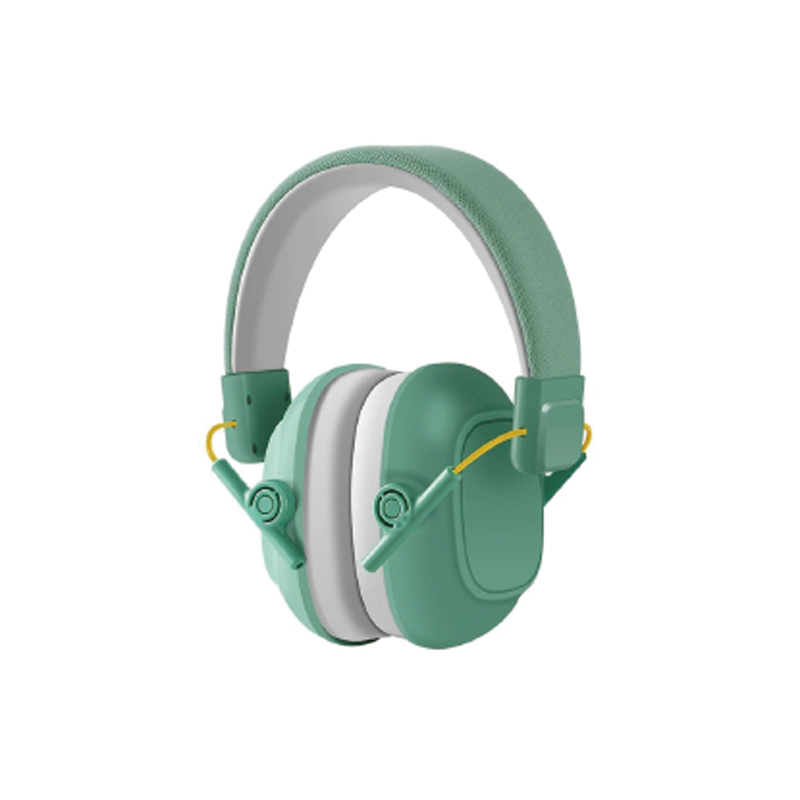
Electronic models integrate sophisticated audio processing circuitry into the traditional ear cup design. External directional microphones capture ambient sound from the environment. Internal processors analyze this audio feed in real-time. Safe sounds, such as human speech or environmental cues, are amplified and played through internal speakers. The system typically caps this amplification at a safe threshold, usually 82 decibels, ensuring the internal volume never reaches hazardous levels.
When the external microphones detect an impulse noise exceeding the safe threshold, the active compression circuitry engages. The system instantly shuts off the amplification, effectively turning the device into a passive barrier. This reaction occurs in milliseconds, ensuring the dangerous sound pressure never reaches the ear canal. High-quality models also feature advanced wind noise filtering. Microphones covered with specialized foam or recessed into the cup prevent wind from creating disruptive static. If you work on a high-rise deck, wind whipping across an exposed microphone sounds like static tearing through your head, making recessed microphones a mandatory feature for outdoor applications.
Situational awareness represents the most significant advantage of electronic models. Users retain their natural ability to hear their surroundings. You can hear footsteps, the crunch of gravel under tires, and the directional origin of warning signals. This environmental awareness drastically reduces the risk of acute physical accidents in dynamic workspaces where heavy machinery and pedestrians mix.
Electronic systems also revolutionize team communication. They enhance voice frequencies, allowing workers to converse normally in mixed-noise environments. You do not need to remove the Hearing Protection Earmuffs to receive instructions or transition between quiet and loud zones. This capability eliminates removal fatigue. Because users can hear normally, they are far less likely to constantly adjust or remove their protective gear. This behavioral shift significantly improves long-term compliance and overall safety.
The integration of electronics introduces specific operational vulnerabilities. Power reliance is the most obvious limitation. These devices require strict battery management. Whether utilizing standard alkaline batteries or rechargeable lithium-ion packs, the system demands regular attention. If the batteries die, you lose all situational awareness benefits, though the physical cups still provide passive protection.
Electronic components also face environmental threats. Circuit boards, microphones, and internal speakers are susceptible to moisture, fine dust, and impact damage. Sweat presents a major issue during summer months, as salt and moisture can corrode internal battery contacts. Dropping an electronic model onto concrete carries a higher risk of functional failure than dropping a passive model. You must carefully evaluate the environmental rating of the device before deploying it in harsh industrial or outdoor settings.
The choice between passive and electronic models forces a direct evaluation of attenuation versus awareness. Passive models offer brute-force blocking. They excel when the sole objective is maximum decibel reduction. Electronic models offer selective hearing. They prioritize communication and environmental monitoring while managing intermittent noise spikes. You must audit your specific environment to determine which attribute serves your operational goals better.
Operational Comparison Matrix
| Feature Dimension | Passive Models | Electronic Models |
|---|---|---|
| Power Requirement | None (Fail-safe operation) | Requires battery management |
| Situational Awareness | Low (Indiscriminate blocking) | High (Active ambient listening) |
| Impulse Noise Handling | Blocks continuously | Compresses instantly |
| Maintenance Complexity | Low (Pad replacement only) | Moderate (Batteries and electronics) |
| Communication Capability | Poor (Muffles voices) | Excellent (Amplifies speech) |
Physical comfort dictates compliance. Electronic models inherently carry more weight due to batteries, wiring, and circuit boards. A passive muff might weigh eight ounces, while an electronic muff with two AA batteries and a printed circuit board might weigh fourteen ounces. That extra mass accelerates neck fatigue over an extended twelve-hour shift. Passive models generally maintain a lighter physical footprint, reducing physical strain on the user.
You must contrast physical weight with behavioral comfort. Electronic models reduce the frustrating need for constant donning and doffing. The ability to wear the device continuously without feeling isolated often outweighs the slight increase in physical weight. Clamping force and ear cushion materials act as equalizers across both categories. Upgrading from standard PVC foam cushions to silicone gel pads dramatically improves comfort and seal integrity, regardless of the underlying technology. Gel pads conform better around safety glasses, preserving the acoustic seal.
Industrial and outdoor environments destroy fragile equipment. You must assess the Ingress Protection ratings of any electronic model. An IP54 rating provides basic dust and water resistance, while an IP67 rating ensures the device can survive heavy rain and fine particulate exposure. Passive models naturally resist environmental degradation better, as they lack sensitive internal components that short out when exposed to water.
Compliance remains non-negotiable. Both options must meet rigorous testing standards. Verify that the selected models adhere to ANSI S3.19-1974 testing protocols. The device must provide sufficient passive attenuation to reduce the wearer's exposure below OSHA's Permissible Exposure Limit, regardless of whether the electronics are powered on or off.
Deploying hearing defense requires ongoing logistical support. Passive models simplify maintenance workflows. The only required upkeep involves inspecting the plastic cups for cracks and replacing the ear cushions when they become stiff or deformed from sweat and skin oils. This simplicity reduces the administrative burden on safety managers and equipment supervisors.
Electronic models demand a more robust maintenance infrastructure. You must establish protocols for battery replacement or charging. Rechargeable units require dedicated charging stations and downtime management. Standard battery units require a steady supply of replacements. Furthermore, the internal electronics eventually degrade from moisture or impact, requiring complete unit replacement rather than simple pad swaps. You must factor these logistical realities into your deployment strategy.
Outfitting a large workforce scales these logistical challenges. Issuing passive models requires minimal training. Workers simply learn how to adjust the headband and verify the seal. Inventory management remains straightforward, as the units stack easily and tolerate rough storage conditions in tool cribs or truck beds.
Deploying electronic models across a fleet requires structured training. Workers must understand how to operate the volume controls, change batteries, and recognize signs of electronic failure. Inventory management becomes more complex. You cannot throw sensitive electronic gear into a damp gang box at the end of a shift. Proper storage, drying procedures, and battery checks must become part of the daily operational routine to prevent widespread equipment failure.
Over-protection represents a severe, often overlooked safety liability. Selecting a device with an excessively high NRR for a moderately noisy environment creates dangerous isolation. If the ambient noise is 90 decibels and you deploy a 30 NRR passive muff, the worker experiences roughly 60 decibels of sound. At this level, critical warning signals, forklift backup beepers, and evacuation alarms become completely inaudible.
Mitigate this risk by targeting a specific post-attenuation noise level. The goal is not absolute silence. The objective is to bring the noise down to a safe working level, typically between 70 and 80 decibels. Select an NRR that achieves this specific target rather than defaulting to the highest available rating. This ensures workers remain protected without sacrificing critical environmental awareness.
Electronic systems fail. Batteries drain, wires short, and moisture compromises circuits. When an electronic model loses power mid-shift, it defaults to functioning as a passive device. However, because internal space is dedicated to electronics rather than acoustic foam, the baseline passive NRR of an electronic model is often slightly lower than a dedicated passive unit of the same size.
Mitigate this risk through strict operational protocols. Implement mandatory battery replacement schedules before shifts begin. Select models featuring automatic shutoff capabilities. These systems power down after several hours of inactivity, preventing users from draining batteries by accidentally leaving the units turned on in their lockers overnight.
Certain environments exceed the protective capabilities of any single device. Indoor shooting ranges, heavy stamping facilities, and aerospace testing zones generate extreme noise levels. In these environments, maximum NRR is required, but verbal communication remains critical for safety and instruction.
The double protection strategy solves this complex challenge. Workers insert high-NRR passive foam earplugs deep into the ear canal. They then wear electronic models over the earplugs. The user turns the volume on the electronic muffs to maximum. The external microphones capture speech, amplify it, and push it through the internal speakers. The sound is loud enough to penetrate the passive earplugs, allowing clear communication. Meanwhile, the combined physical barrier of the plugs and the cups provides maximum defense against extreme impulse noise.
Audit your specific job site noise levels using calibrated decibel meters to determine your exact attenuation requirements.
Calculate the required NRR using the OSHA derating formula to ensure you avoid both under-protection and dangerous over-protection.
Run a field pilot test with one model of each technology type to assess physical comfort, audio clarity, and integration with hardhats and safety glasses.
Establish clear battery replacement schedules and dry-storage protocols before executing a bulk deployment of electronic models across your workforce.
A: Generally, yes. Because electronic muffs require internal space for circuitry, microphones, and speakers, they often contain slightly less acoustic foam. This reduction in sound-absorbing material results in a marginally lower baseline NRR compared to the bulkiest, dedicated passive models designed solely for maximum attenuation.
A: They do not stop protecting your hearing. When the battery dies, electronic muffs default to functioning exactly like passive models. The physical plastic cup and internal foam continue to block sound waves. However, you completely lose the active amplification and ambient listening features until power is restored.
A: Yes, they provide excellent physical protection against the extreme impulse noise of gunfire. However, you will struggle to hear range commands or conversations, which presents a severe secondary safety hazard. This communication barrier is why many professionals opt for the double protection method using electronic models over foam earplugs.
A: Yes, provided they have a certified NRR tested to ANSI S3.19-1974 standards. The passive attenuation of the physical cup must be sufficient to reduce the wearer's noise exposure below OSHA's Permissible Exposure Limit for the duration of the shift, even when the electronics are powered off.
A: Passive models can last years with only occasional ear pad and headband replacements. Electronic models generally have a shorter functional lifespan. They are susceptible to the eventual degradation of internal wiring, microphone exposure to elements like wind and moisture, and battery contact corrosion over time.


