
Views: 0 Author: Site Editor Publish Time: 2026-10-21 Origin: Site


Personal safety and emergency preparedness demand precise knowledge of protective equipment. People frequently use these terms interchangeably in casual conversation. However, confusing a heavy-duty mask with a standard facepiece during a hazardous situation can be catastrophic. Selecting the wrong filtration system leaves the user exposed to severe respiratory damage, blindness, or fatal consequences.
Respiratory protection covers a remarkably broad spectrum of field applications. It ranges from daily industrial tasks like painting and welding to extreme survival scenarios involving volatile chemical spills and Chemical, Biological, Radiological, and Nuclear threats. The lightweight equipment required for sanding drywall is fundamentally different from the heavy-duty gear needed to navigate a highly toxic environment.
From a frontline engineering perspective, we are witnessing a massive structural shift in the respiratory protection market. Driven by recent industrial chemical spills, unpredictable supply chain disruptions, and rising global geopolitical tensions, safety managers are abandoning bare-minimum compliance. Instead of relying solely on task-specific commercial half-masks, there is a surging demand for broad-spectrum tactical equipment. Users now require robust gear that can handle unknown emergency variables without catastrophic failure.
The purpose of this comprehensive technical guide is to break down the engineering debate surrounding these two categories of safety gear. By clarifying official regulatory standards set by occupational safety boards and military protocols, we provide a definitive framework. This will help you select the exact equipment required to mitigate environmental risks effectively and safely.
Categorical Distinctions: All heavy-duty tactical masks function as air-purifying devices, but standard commercial facepieces do not qualify for tactical survival. The latter represents a heavy-duty subset engineered specifically for extreme chemical and biological threats.
Surface Coverage and Seal: A standard industrial unit typically covers only the nose and mouth. In stark contrast, tactical gear provides full facial coverage to hermetically seal the eyes against blistering agents.
Filtration and Testing Standards: Commercial units are generally evaluated for specific occupational hazards. Meanwhile, military-grade equipment must pass highly stringent survival standards against weaponized corrosive agents.
Material Engineering: Upgrading to specialized equipment made from advanced liquid polymers significantly improves long-term wearability. It maintains seal integrity in sub-zero temperatures and drastically reduces breathing resistance.
To understand the core differences in respiratory protection, we must first establish a precise technical definition. A true Gas Mask operates as a heavy-duty air-purifying respirator. Engineers specifically design these devices to protect the wearer from inhaling hazardous airborne pollutants, toxic vapors, and lethal particulate matter. Unlike basic disposable dust filters, these robust devices withstand highly corrosive environments. They provide sustained, reliable protection during severe emergencies.
Field reliability depends on three structural pillars. The facepiece. The harness system. The filtration canister. When properly donned, a high-grade facepiece creates a negative pressure vacuum against the skin. Just as an industrial pump system fails if a mechanical O-ring is compromised, respiratory gear is entirely useless without a flawless facial seal. Ambient air is forced entirely through the filtration medium rather than leaking through the micro-gaps on the sides. The harness system utilizes a five-point or six-point strap configuration. This distributes tension evenly across the skull, maintaining the critical seal during rigorous physical movement like running or climbing.
The quintessential advantage of this equipment lies in its comprehensive coverage. Professional-grade models feature a spherical polycarbonate visor, ensuring edge-to-edge optical clarity with a light transmittance exceeding 85 percent. Protecting the ocular mucous membranes is non-negotiable in environments where volatile chemical agents are present. Imagine attempting to navigate a chemical spill where vapors are actively burning your eyes. A half-mask leaves you completely vulnerable. Chemical warfare agents or common riot control gases cause immediate, debilitating damage to exposed eyes. An integrated, transparent visor shields ocular tissues while maintaining a hermetic seal.
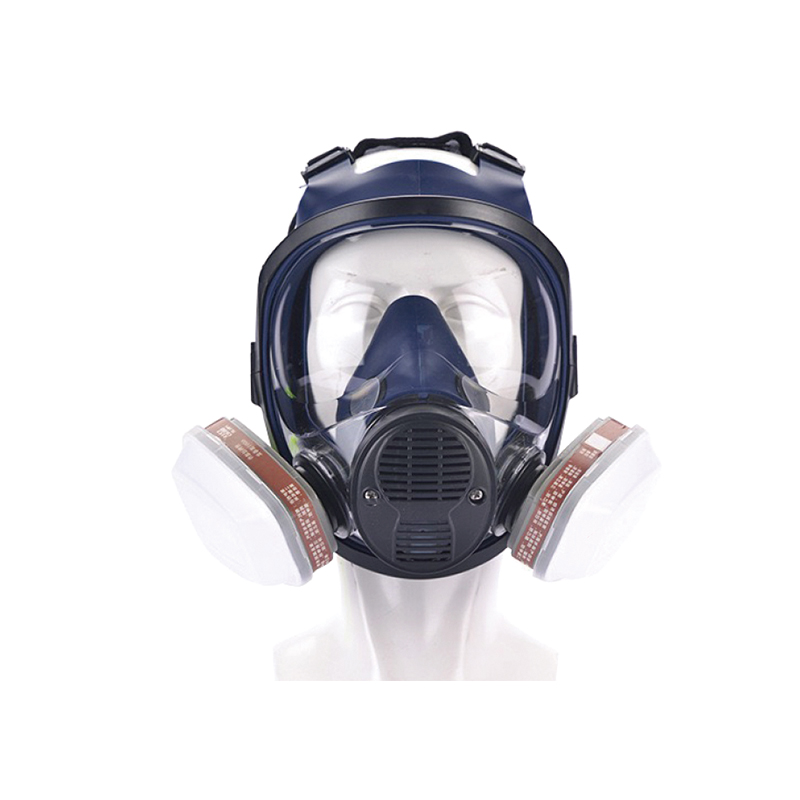
While often conflated with tactical gear, a Respirator actually refers to a much broader category of personal protective equipment. The primary function of any air-purifying device is to prevent the inhalation of hazardous atmospheres. However, the structural design, filtration capacity, and intended use cases vary wildly across the spectrum.
To understand how commercial units differ from military-grade equipment, we must break down the primary types utilized in occupational settings.
Particulate Filters: These are the most common variants, including ubiquitous disposable masks. Designed exclusively to filter out airborne particles such as wood dust, mold spores, and viral aerosols. They offer absolutely no protection against gases or chemical vapors.
Chemical Cartridge Units: Often referred to as half-mask facepieces. These devices use replaceable chemical cartridges to neutralize specific workplace vapors, such as Volatile Organic Compounds from automotive paint or ammonia from industrial cleaners.
Powered Air-Purifying Systems: These systems utilize a battery-operated blower to force ambient air through a filter and into a hood. They eliminate breathing resistance and are highly effective in heavy industrial environments where users work grueling multi-hour shifts.
Self-Contained Breathing Apparatus: These systems provide clean, compressed oxygen from a tank worn by the user. They are mandatory in oxygen-deficient environments, such as structural firefighting or confined space entry, where standard filtration is scientifically useless.
The critical distinction lies in commercial nomenclature. When construction professionals refer to this equipment, they almost exclusively mean a half-face piece utilized for task-specific industrial work. These devices are highly effective for their intended environments. They are not engineered for tactical survival or broad-spectrum threats.
When evaluating personal protective equipment, the differences between these two categories become starkly apparent. Making an informed decision requires understanding the specific limitations, structural integrity, and capabilities of each system.
Commercial units are fundamentally task-specific. An industrial worker selects a specific cartridge based on the known hazard of their immediate environment. For example, a worker applying epoxy resin uses an organic vapor cartridge. This is highly effective for that specific chemical but entirely useless against a biological particulate threat. If the hazard changes, the worker must swap the cartridge.
Conversely, tactical masks offer broad-spectrum protection against a wide array of lethal threats. Engineers specifically design them to handle unknown variables in emergency scenarios. Furthermore, the filter threading differs significantly. Most commercial facepieces rely on proprietary bayonet-style attachments. You are locked into using filters manufactured by that specific brand. Tactical gear typically adheres to the 40mm NATO standard thread. This allows users to interchange filters from various global manufacturers and military surplus supplies. This is a critical advantage during supply chain shortages.
From a practical engineering standpoint, the most visible difference is facial coverage. Half-face units leave the upper half of the face completely exposed. A worker can wear separate safety goggles, but achieving a perfect, gas-tight seal between the goggles and the nose bridge is nearly impossible. In a toxic environment, gases easily bypass standard safety glasses. This causes immediate fogging and ocular damage. Tactical units feature an integrated, hermetic seal that covers the entire face, eliminating the vulnerability of overlapping, mismatched protective components.
| Feature / Metric | Standard Half-Face Unit | Tactical Full Face Unit |
|---|---|---|
| Primary Use Case | Construction, painting, woodworking, healthcare | Chemical threats, riot control, emergency survival |
| Facial Coverage | Nose and mouth only | Entire face, including eyes |
| Eye Protection | None. Requires separate safety goggles | Integrated impact-resistant polycarbonate visor |
| Filter Connection | Proprietary bayonet. Brand specific | Standardized 40mm NATO thread |
| Chemical Resistance | Low to moderate. Plastics degrade quickly | High. Resists corrosive warfare agents |
For safety professionals and emergency preparedness advocates, selecting premium protective equipment requires analyzing features that dictate long-term performance. Two of the most critical upgrades in modern respiratory protection involve cartridge configuration and facepiece material engineering.
Legacy military designs mount a single, massive filter directly in the front center of the facepiece. While effective at filtration, this creates a severe forward center of gravity. Over a long operational shift, this imbalance causes extreme neck fatigue. It also obstructs the user's lower field of view, making it difficult to look down at a tactical vest, inspect industrial equipment, or navigate uneven terrain safely.
Investing in a Dual Cartridge Gas Mask fundamentally solves these ergonomic issues. By placing two smaller, specialized filters on either side of the jawline, the weight distributes evenly across the facial structure. This significantly reduces muscular strain during prolonged use. Additionally, utilizing two filters doubles the surface area for air intake. This engineering tweak dramatically lowers inhalation resistance to under 40 Pascals. Operators can maintain rigorous physical activity without experiencing respiratory exhaustion. The lateral placement of the cartridges also restores an unobstructed downward field of view.
The material composition of the facepiece is the primary factor determining both comfort and seal reliability. Historically, manufacturers built units using natural rubber or butyl rubber. While durable, traditional rubber is heavy and prone to causing contact dermatitis. It also tends to stiffen in freezing temperatures or degrade under intense ultraviolet exposure.
Upgrading to a Silicone Gas Mask is a game-changer for field operators. High-grade liquid silicone is inherently hypoallergenic, making it ideal for users with sensitive skin who must wear the equipment for multi-hour shifts. More importantly, silicone exhibits exceptional thermal stability. It remains highly flexible and pliable in sub-zero environments. This ensures the negative pressure seal against the micro-contours of the face is never compromised by the cold. It resists degradation from sweat, facial oils, and ultraviolet light far better than organic rubber, extending the operational lifespan of the equipment considerably.
Authoritative organizations validate the reliability of respiratory equipment through rigorous testing. Understanding the difference between industrial and military certifications is crucial for assessing whether a device can withstand the specific hazards of your environment.
In the United States, the National Institute for Occupational Safety and Health tests and certifies equipment for workplace safety. These ratings are highly specific to known occupational hazards. For example, an N95 certification means the filter blocks at least 95 percent of non-oil-based airborne particulates. A P100 rating indicates it blocks 99.9 percent of all particulates, including oils. This gear is excellent for controlled industrial environments, but testers do not evaluate it against weaponized chemical agents.
Conversely, military-grade testing protocols simulate warfare and catastrophic terrorism scenarios. The testing parameters for these survival ratings are vastly more aggressive than standard industrial tests. A tactical unit must survive direct exposure to highly corrosive chemical warfare agents, such as Sarin gas or Sulfur Mustard, for extended periods. These specific chemical agents act as powerful solvents that literally melt or permeate the standard plastics used in commercial half-masks. Therefore, a military-grade certification guarantees the structural integrity of the mask will hold up against the most lethal substances known.
When analyzing emergency respiratory options, a third specialized category often emerges in safety planning. It is vital to understand the functional limitations of escape hoods compared to standard tactical facepieces to ensure appropriate deployment.
Escape hoods are strictly single-use, one-size-fits-all devices. They typically consist of a clear, fire-resistant polymer hood with a pre-attached, non-replaceable filter and an elastic neck seal. Their sole engineering purpose is to provide a brief window of breathable air, usually rated for 15 to 30 minutes. This allows an individual to evacuate a suddenly contaminated building, such as during a structural fire or a laboratory spill. Because they use a neck seal rather than a facial seal, they require zero training or fit-testing to don quickly.
In stark contrast, reusable tactical masks are designed for sustained operations. They allow the user to actively work, navigate, and survive in a contaminated zone for hours or days, provided they have a supply of replacement filters. While an escape hood is a reactive evacuation tool, a tactical facepiece is a proactive survival asset.
Misinformation regarding personal protective equipment is rampant on internet forums. Relying on these misconceptions during a hazardous event leads to catastrophic consequences. Here is the objective truth behind the three most common myths.
Myth 1: Any standard filter will protect me from tear gas.
This is demonstrably false. A standard half-face unit only covers the respiratory tract. Tear gas and pepper spray are lachrymatory agents specifically engineered to attack the mucous membranes of the eyes. They cause intense pain, involuntary eye closure, and temporary blindness. To maintain operational capability in a riot-control scenario, you absolutely must use a full-face unit with an integrated visor and a filter specifically rated for these gases.
Myth 2: Filtration devices provide oxygen in a fire.
No air-purifying device generates or supplies oxygen. They function solely by filtering the ambient air drawn through the canister. In environments where heavy smoke or chemical displacement has pushed oxygen levels below the life-sustaining threshold of 19.5 percent, a filter is completely useless. In oxygen-deficient environments, you will suffocate regardless of the filter attached. Such scenarios require a Self-Contained Breathing Apparatus to supply independent oxygen.
Myth 3: One universal filter blocks everything.
There is no such thing as an infinite, universal filter. Filtration media rely on specific chemical reactions and physical trapping mechanisms. Filters are strictly color-coded and rated for specific threats. A magenta particulate filter will flawlessly stop asbestos and viruses but will let lethal organic vapors pass right through into your lungs. You must match the filter's chemical rating to the specific environmental hazard you anticipate facing.
Selecting the appropriate respiratory protection requires a pragmatic assessment of your intended environment, potential hazard exposure, and duration of use. Avoid over-purchasing for minor tasks, but never under-prepare for severe threats.
For the Industrial Worker and DIYer:
If your primary exposure involves sanding drywall, spraying polyurethane, or handling agricultural pesticides, a standard industrial half-face unit is generally sufficient. For professionals working long 8-hour shifts in auto-body shops or manufacturing plants, upgrading to a dual cartridge configuration is highly recommended. The reduced breathing resistance and balanced weight distribution significantly decrease daily fatigue and improve workplace compliance.
For Emergency Preparedness and Survival:
If you are staging equipment for civil unrest or catastrophic chemical spills, standard industrial gear is inadequate. You must invest in a Full Face Gas Mask. Look for units featuring internal air-deflection systems that prevent visor fogging during heavy exertion. Ensure the equipment utilizes the 40mm NATO thread standard. This guarantees you can source replacement filters globally during a crisis without being locked into a proprietary commercial ecosystem.
The Engineering Reality of Fit Testing:
Regardless of how expensive the equipment is, it provides zero protection if it does not seal perfectly to your face. Facial hair, even heavy stubble, breaks the negative pressure seal. This allows toxic air to bypass the filter entirely. Users must be clean-shaven where the mask contacts the skin. Furthermore, conduct a positive and negative pressure seal check every single time you don the device. Block the intake valves to ensure the mask collapses slightly against the face. Block the exhalation valve to ensure no air escapes the perimeter when exhaling.
Ultimately, the choice between a commercial unit and a tactical mask comes down to the severity and predictability of your hazard environment. Industrial units perform exceptionally well for routine workplace dust and specific chemical vapors. However, when facing severe, unpredictable chemical threats or survival scenarios, heavy-duty protection is mandatory.
A full-face tactical unit is essential for comprehensive safety, shielding both your lungs and your eyes from debilitating agents. By opting for advanced materials like liquid silicone and ergonomic designs like dual cartridge setups, you ensure maximum durability and comfort during prolonged emergencies.
Stop guessing with your life safety equipment. Evaluate your specific hazard environment today. Whether you need a silicone tactical unit or a dual-cartridge industrial setup, ensure your gear meets rigorous field standards. Explore the professional-grade inventory at Yonglei Safety to find the exact configuration designed for your operational requirements. Stock up on the correct, threat-specific filters, and always ensure your emergency equipment is properly fit-tested and ready for immediate deployment.
No. Half-face units leave the eyes entirely exposed. This makes them highly ineffective against chemical agents that attack mucous membranes, such as tear gas, pepper spray, or industrial ammonia. A full-face unit is required for these hazards.
Unopened filters stored in their original vacuum-sealed packaging typically have a shelf life of 5 to 10 years. Once opened and exposed to environmental contaminants, they may only last 8 to 24 hours of active use. This depends entirely on the concentration and type of the hazardous gas in the environment.
Yes, for the vast majority of field operators. Silicone is significantly more comfortable for long-term wear because it is hypoallergenic and softer on the skin. It does not degrade as quickly from human sweat or ultraviolet light. It provides a highly reliable, flexible face seal across extreme hot and cold temperatures.
It is the internationally recognized standard thread size for military and tactical filtration canisters. Having a mask with a 40mm NATO thread allows for broad interoperability. You can use filters manufactured by different global brands or utilize military surplus canisters during a severe supply chain shortage.
Yes. If the mask is equipped with a P100 or similarly highly rated particulate filter, it can effectively trap viral and bacterial particulates. The airtight seal of a tactical mask provides vastly superior biological protection compared to standard, loose-fitting medical masks.
No. Standard particulate and chemical filters do not protect against carbon monoxide. Carbon monoxide requires a highly specific catalyst filter, which is rare and usually only found in specialized escape hoods. For high concentrations of carbon monoxide, such as in structural fires, a Self-Contained Breathing Apparatus is mandatory.
Store your facepiece and unexpired filters in a cool, dry place away from direct sunlight and extreme temperatures. Ultraviolet light degrades the polymers over time. Keep the mask in a dedicated structural pouch to prevent the visor from scratching, and never open the vacuum-sealed filters until the exact moment of deployment.


