
Views: 0 Author: Site Editor Publish Time: 2026-10-14 Origin: Site


Picture this scenario. You are wrestling with a heavy angle grinder in a muggy, poorly ventilated fabrication shop. You are wearing a half-face respirator to block dust. Suddenly, your vision goes completely white. Condensation takes over. Working in demanding industrial environments demands absolute focus. Yet, physical exertion and challenging climates often lead to this exact frustrating situation. When your field of view is compromised, productivity grinds to a halt immediately.
The natural human instinct is to pull off your spectacles to wipe the lenses clear. However, this split-second decision directly violates safety compliance protocols. It leaves your eyes completely vulnerable to flying metal shavings or chemical splashes. The most reliable solution to this pervasive issue is investing in high-quality anti-fog safety glasses. These specialized lenses provide uninterrupted vision. Furthermore, they ensure you maintain strict workplace protection standards without constantly stopping to clean your gear.
This comprehensive guide will help you navigate the complex landscape of lens coatings, frame materials, and ventilation designs. Ultimately, you will know exactly how to evaluate and choose the perfect protective equipment tailored to your specific daily tasks and atmospheric challenges.
Before diving into selection criteria, it helps to understand where the industrial safety market is heading. Recent industry data shows a massive shift toward nano-technology permanent coatings. Driven by stricter global compliance standards and a heightened awareness of mask-induced condensation, plant managers are aggressively moving away from temporary surfactant sprays.
Modern manufacturing now integrates dual-action moisture control at the molecular level during the lens injection process. This means modern safety gear lasts significantly longer, withstands rigorous industrial cleaning stations, and drastically reduces annual replacement costs for facility managers.
Fogging is a major safety hazard: It drastically reduces visibility and actively tempts workers to remove their gear in dangerous, non-compliant zones.
Not all coatings are created equal: It is critical to understand the stark mechanical difference between temporary over-the-counter sprays and permanent baked-in lens treatments.
Environment dictates choice: High-heat, high-humidity, or extreme cold-storage environments require highly specific variations of protective eyewear to maintain optical clarity.
Material matters: Polycarbonate lenses offer the industry best combination of impact resistance, lightweight comfort, and shatterproof protection.
Fit and ventilation are crucial: A proper ergonomic fit prevents hot air from getting trapped against the cheekbones, while strategic frame venting helps regulate internal temperature.
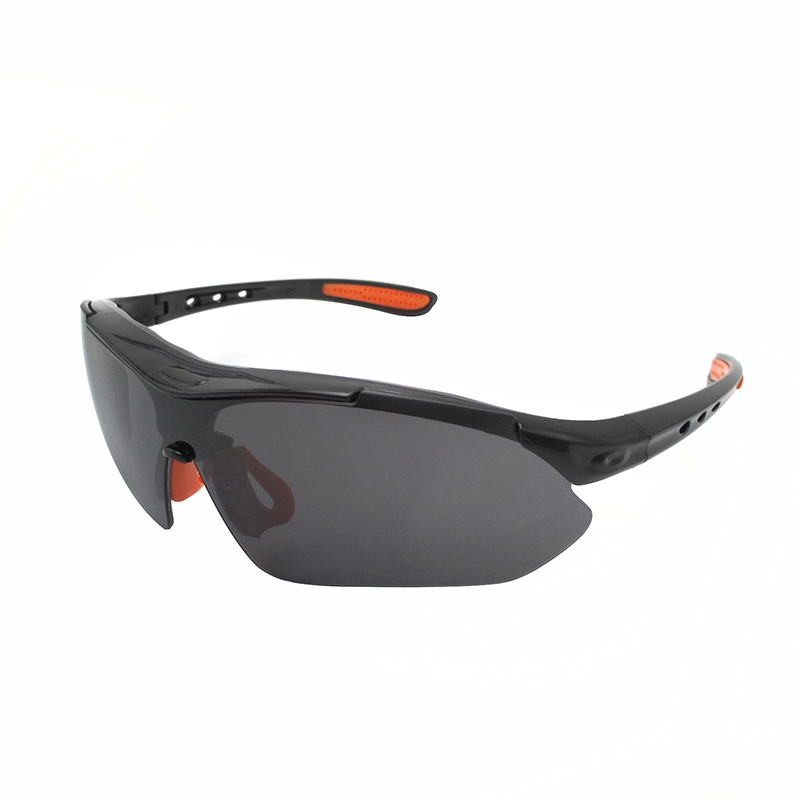
To effectively combat clouded lenses, we must first look at the basic physics driving the issue. Fog is simply the visual manifestation of rapid condensation. This physical reaction occurs when warm, moisture-laden air makes direct contact with a cooler surface. On an outdoor job site or inside a facility, your spectacles typically remain at ambient room temperature. Meanwhile, your body continuously generates heat and moisture through physical exertion and breathing.
When this warm humid air hits the cooler surface of the lens, it rapidly cools down. Cold air cannot hold as much moisture as warm air. Consequently, the excess water vapor transforms into microscopic liquid droplets. These tiny droplets scatter incoming light. This creates the cloudy, obscured field of vision we know as fog.
Several common workplace triggers actively accelerate this condensation process. Transitioning swiftly between vastly different temperatures is a primary culprit. Walking from an air-conditioned control room directly into a humid outdoor construction site causes immediate condensation. Furthermore, high-exertion tasks naturally increase your core body temperature. As sweat evaporates from your skin, it gets trapped behind poorly ventilated frames. Finally, wearing face masks creates a chimney effect, funneling warm exhaled breath directly upward onto the lenses.
Treating clouded lenses as a mere annoyance is a dangerous oversight. In high-risk environments, impaired vision translates directly to an increased probability of severe accidents.
When lenses fog over, visual acuity drops to near zero. Workers lose critical depth perception and peripheral awareness, creating dangerous blind spots. This significantly elevates the likelihood of missteps, trips, falls, and severe machinery accidents. Operating heavy equipment or handling sharp tools with blurred vision is a recipe for disaster.
Beyond these immediate physical dangers, industry safety data consistently demonstrates the severe take-off hazard. A massive percentage of occupational eye injuries occur precisely when workers step out of compliance to temporarily remove their glasses and wipe away moisture. In environments filled with airborne debris or sparks, exposing the eyes even for a few seconds completely defeats the purpose of wearing protective gear. Additionally, the time spent repeatedly stopping work, removing gloves, cleaning the lenses, and readjusting equipment accumulates into a measurable loss of productivity and expensive project delays.
Navigating the market for optical defense requires a solid understanding of lens coating technology. Manufacturers use different chemical applications to manage moisture. Selecting the right one depends entirely on your specific work environment.
Anti-fog technologies generally fall into two scientific categories. While both aim to maintain clear vision, they manipulate water droplets in completely opposite ways.
Specifically, hydrophilic coatings act like microscopic sponges. The chemical layer absorbs moisture directly into its structure. This prevents water molecules from forming visible droplets on the surface. Once the coating reaches its maximum absorption capacity, it slowly releases the moisture back into the surrounding air. This technology shines in standard humid environments and during continuous physical labor where sweat is the primary moisture source.
In contrast, hydrophobic coatings alter the surface tension of the lens. Instead of absorbing moisture, this treatment forces water to bead up into large drops and roll off the lens rapidly. This makes it exceptionally ideal for outdoor environments with heavy rain, tasks involving splashing liquids, or extreme temperature shifts where an absorbing coating would quickly become overwhelmed.
| Feature | Hydrophilic Coating | Hydrophobic Coating |
|---|---|---|
| Mechanism | Absorbs moisture directly like a sponge | Repels water, causing it to bead and roll off |
| Best Work Environment | Indoor plants, high physical exertion, continuous sweat | Outdoor sites, heavy rain, chemical splash zones |
| Performance Limit | Can saturate under extreme, continuous liquid exposure | Excellent for sudden temperature shifts and heavy liquids |
Many workers attempt to solve fogging issues using cheap over-the-counter sprays or wipes. While these surface-level surfactants provide a temporary fix, they wear off incredibly fast. Sweat, physical wiping, and ambient dust quickly degrade the spray, requiring frustrating reapplication multiple times a day. Industrial-grade baked-in coatings withstand rigorous use, resist degradation from standard cleaning, and provide reliable all-day clarity without the need for constant maintenance.
Selecting the appropriate equipment involves evaluating materials, frame architecture, and specific safety ratings. Following a structured approach ensures you invest in gear that actually performs under pressure.
Prioritize Polycarbonate Lenses
The foundation of any high-quality optical defense is the lens material. Polycarbonate is the undisputed industry standard. It is exceptionally lightweight, preventing wearer fatigue during grueling twelve-hour shifts. For instance, premium PC safety glasses naturally block 99.9 percent of harmful UVA and UVB radiation while offering a robust anti-scratch exterior. When paired with advanced moisture-control technology, polycarbonate delivers the ultimate combination of clarity and shatterproof defense.
Assess Ventilation and Frame Design
Even the most advanced chemical coatings need help from good airflow. Wraparound frames offer excellent peripheral protection from flying debris. However, if they fit too tightly against the cheekbones and brow, they will trap heat. Look for ergonomic designs featuring integrated micro-vents. These structural channels allow cool ambient air to enter and hot moist air to escape without compromising the protective coverage of the frame.
Check for Official Safety Certifications
Never purchase protective equipment that lacks official safety certifications. In the United States, look for the ANSI Z87.1 marking stamped directly on the frame or lens. In Europe, the equivalent standard is EN166. Eyewear meeting these rigorous standards ensures baseline high-mass and high-velocity impact defense alongside their anti-fog capabilities.
Select Lens Tints for Specific Lighting
Modern lenses come in various tints tailored to specific lighting conditions. Clear lenses remain the standard for indoor use, providing maximum visible light transmission. Tinted or polarized lenses are essential for outdoor work to drastically reduce eye strain from harsh sunlight and solar glare. Meanwhile, amber or yellow lenses are ideal for low-light, overcast, or hazy environments, as they filter out blue light and enhance visual contrast.
A common dilemma on job sites is deciding whether standard spectacles or fully sealed goggles offer better protection and fog resistance. The answer depends entirely on the specific hazards of your daily operations.
Standard glasses are best suited for general construction, light manufacturing, and tasks where impact threats are direct but airborne particulates are minimal. Because they do not form a complete airtight seal around the face, they naturally allow for constant airflow. This makes condensation much easier to manage.
Conversely, stepping up to work goggles becomes mandatory when dealing with chemical splashing, heavy airborne dust, metal grinding, or highly volatile environments. They feature a rubber or elastomer skirt that completely isolates the eyes from external hazards. Because they seal so tightly, they trap body heat instantly, making them highly susceptible to fogging. If your job requires this level of protection, premium permanent coatings and indirect ventilation systems are absolutely critical. These systems use covered channels to circulate air while blocking liquid splashes.
Different industries present unique atmospheric challenges. Matching your equipment to your specific work environment is the most effective way to ensure long-term comfort and compliance.
Construction and Outdoor Work: Outdoor sites are subject to unpredictable weather, direct UV exposure, and varying humidity. Workers here require UV-blocking, anti-scratch, and robust hydrophobic capabilities to handle everything from morning dew to heavy afternoon sweat.
Manufacturing and Engineering: Indoor plants often feature high-heat machinery and flying metal shavings. Professionals in this sector require high-impact polycarbonate frames with hydrophilic coatings. These coatings can absorb continuous sweat without fogging up during precise, high-concentration operations.
Chemical and Lab Work: Laboratories pose severe splash hazards where standard glasses are wholly insufficient. This environment demands indirectly vented, splash-proof goggles treated with heavy-duty chemical resistance and permanent moisture-control coatings.
Cold Storage and Extreme Environments: Forklift drivers moving in and out of industrial freezers face rapid, extreme temperature shifts. Standard treatments often struggle here. These environments typically require advanced thermal technologies or dual-pane lenses. These utilize an insulating layer of air between two lenses to prevent the cold exterior from interacting with the warm interior.
Even the most expensive protective equipment requires proper handling to maintain its functional properties. Real-world feedback from engineering professionals highlights several best practices for longevity.
The fastest way to destroy a premium coating is through improper cleaning protocols. Never use abrasive shop rags, ammonia-based window cleaners, or harsh industrial solvents. These chemicals will strip the protective layer completely. Instead, rinse the lenses under lukewarm water to remove abrasive dust, then clean them gently using mild dish soap or manufacturer-approved lens wipes.
When wearing a respirator or surgical mask, breath naturally escapes through the path of least resistance, usually out the top. To mitigate this chimney effect, pinch the metal nose bridge of your mask tightly against your face. Then, seat the nose pads of your eyewear slightly over the top edge of the mask fabric. This creates a physical seal that forces exhaled air out the sides rather than up into your vision.
Finally, proper storage is paramount. Micro-scratches do more than blur vision. They create microscopic ridges where moisture can easily cling and form droplets. When not in active use, never throw your gear loose into a toolbox. Always store them in a dedicated microfiber pouch or a hard case to protect the structural integrity of the surface.
Sourcing reliable protective gear requires partnering with a supplier that prioritizes rigorous safety compliance, material durability, and a wide variety of optical options. A reputable manufacturer will clearly display their ANSI or EN certifications and offer transparent technical data about their specific coating applications.
Whether you need lightweight wraparounds for a framing crew or heavy-duty sealed goggles for chemical handling, it is vital to choose products that have been tested in real-world conditions. We highly recommend taking the time to explore a trusted catalog of high-quality safety glasses to find the exact frame style, lens tint, and anti-fog technology tailored to your specific industrial demands. Protect your vision, maintain compliance, and eliminate downtime by upgrading your facility equipment today.
The lifespan depends entirely on the manufacturing process and daily maintenance. Permanent baked-in coatings applied at the factory can last for months or even years with proper care and non-abrasive cleaning. In stark contrast, cheap over-the-counter sprays typically wear off in just a few hours and require constant tedious reapplication.
Yes, you can apply aftermarket sprays to standard lenses, but it serves only as a temporary fix. These surface sprays degrade rapidly from sweat, ambient dust, and physical wiping. It is significantly more cost-effective and much safer to purchase pre-coated industrial-grade eyewear right from the start.
Not necessarily. Because goggles create a tight airtight facial seal to block particulates and chemicals, they trap body heat and moisture inside the lens chamber. This actually makes them inherently more prone to rapid condensation. If your hazard environment dictates that you must wear them, investing in premium permanent coatings and indirect venting systems is absolutely essential for maintaining clear vision.
This frustrating issue happens due to the chimney effect, where warm humid exhaled breath escapes from the top edge of a loosely fitted mask directly onto the cooler lenses. To fix this, pinch the metal wire of the mask tightly to your nose bridge. Then, rest the bottom frame or nose pads of your glasses slightly over the mask upper edge to physically block the rising air and redirect it outward.
Cold weather creates extreme temperature differentials between your warm face and the freezing ambient air. To combat this, choose eyewear with thermal dual-pane lenses. These feature an insulating layer of air trapped between two polycarbonate shields, preventing the cold outer lens from chilling the warm inner lens.
ANSI Z87.1 is a rigorous occupational safety standard established in the United States. Eyewear with this certification has passed severe high-mass and high-velocity impact tests. Standard reading or sunglasses lack this structural integrity and will shatter upon impact, offering zero industrial protection.


