
Views: 0 Author: Site Editor Publish Time: 2026-07-13 Origin: Site


Procuring the wrong personal protective equipment drains resources. Worse, it directly exposes workers to severe hazards. It also opens facilities to serious compliance violations. Protective headgear is absolutely not a one-size-fits-all solution. A generic visor designed for light assembly will fail catastrophically. It cannot survive a harsh chemical splash or an arc flash environment. We often see safety managers struggle with this. They rely on broad marketing claims instead of analyzing technical facts. Selecting an industrial face shield requires careful attention. You must look past basic product labels. You need to evaluate material science directly. You must also verify hazard-specific safety ratings and critical usability factors. By doing this, you protect your team effectively. You also ensure they actually wear the provided gear. In this guide, you will learn how to map workplace hazards accurately. You will also discover how to navigate complex safety standards to make a truly informed choice.
Hazard Mapping is Step One: Choose materials based on primary threats (e.g., Polycarbonate for impact, Acetate for chemicals).
Verify the Markings: Always look for specific compliance stamps (e.g., ANSI Z87.1+ for high impact) rather than generic "safety approved" labels.
Comfort Drives Compliance: Features like anti-fog coatings, ratcheting headgear, and weight distribution directly dictate whether workers will actually wear the equipment.
Understand Primary vs. Secondary Protection: A face shield is almost always secondary protection and must be integrated with primary eye protection (goggles/glasses).
Every work environment presents unique dangers. We must map these hazards accurately before evaluating specific products. You cannot protect a worker if you misunderstand the underlying threat. Careful assessment prevents dangerous mismatches.
Flying debris, metal shavings, and wood chips require high-velocity impact resistance. Machining and grinding stations produce extremely fast-moving particles. These sharp fragments can easily penetrate weak plastics. You must deploy materials built to absorb heavy kinetic energy.
Laboratories and processing plants handle harsh solvents daily. Workers manage highly reactive acids. You need materials immune to rapid chemical degradation. The wrong visor will warp, melt, or instantly cloud over upon contact. This creates secondary visibility hazards.
Welding and high-voltage electrical tasks generate intense heat. They also produce blinding optical radiation. We must use visors featuring specialized IR/UV filtering. Heat-reflective coatings are essential here. You also need specific Cal/cm² arc ratings to survive extreme thermal energy bursts.
Healthcare settings and waste management facilities pose unique biological ingress risks. Downward fluid splashes can easily slip behind standard visors. You require full-face coverage. The gear must feature tight top-gap seals. These seals stop hazardous liquids from reaching the eyes or skin.
Material science ultimately dictates field performance. You must match the plastic or mesh to your identified hazards. A standard Face Shield might look durable but fail entirely under the wrong conditions. We categorize them by their chemical and physical properties.
Best for: High-impact environments and heavy industrial tasks.
Trade-offs: It is highly prone to scratching if left uncoated. It also offers lower chemical resistance compared to other industrial plastics.
Polycarbonate stands as the absolute standard for impact zones. It absorbs heavy kinetic shocks without shattering. It serves heavy manufacturing tasks perfectly. However, you must maintain it carefully to prevent surface damage.
Best for: Chemical splash protection and environments requiring high optical clarity.
Trade-offs: It suffers from poor impact resistance. It shatters much easier than polycarbonate under physical blows.
You should choose acetate for chemical environments. It resists a wide variety of industrial solvents. It also provides excellent optical clarity. Just remember to keep it away from grinding stations.
Best for: A middle-ground solution offering better chemical resistance than PC and better impact resistance than Acetate.
Propionate acts as an excellent hybrid solution. It provides a reliable balance. We often recommend PETG for mixed-hazard environments. It handles moderate chemical exposure and moderate physical risks well.
Best for: High-humidity environments (zero fogging) and large flying debris (forestry/chainsaw work).
Trade-offs: It offers zero protection against liquids, fine dust, or optical hazards.
Forestry and landscaping produce large flying debris. These tasks often occur in high-humidity areas. Wire mesh completely eliminates fogging. It stops large wood chips effectively. You simply cannot use it around liquids or fine particulate matter.
| Material Type | Primary Strength | Key Vulnerability |
|---|---|---|
| Polycarbonate (PC) | High-velocity impact resistance | Scratches easily, weak to harsh solvents |
| Acetate | Excellent chemical splash resistance | Brittle against physical impact |
| Propionate (PETG) | Balanced impact and chemical protection | Jack-of-all-trades, master of none |
| Wire Mesh | Zero fogging, stops large debris | No liquid or fine dust protection |
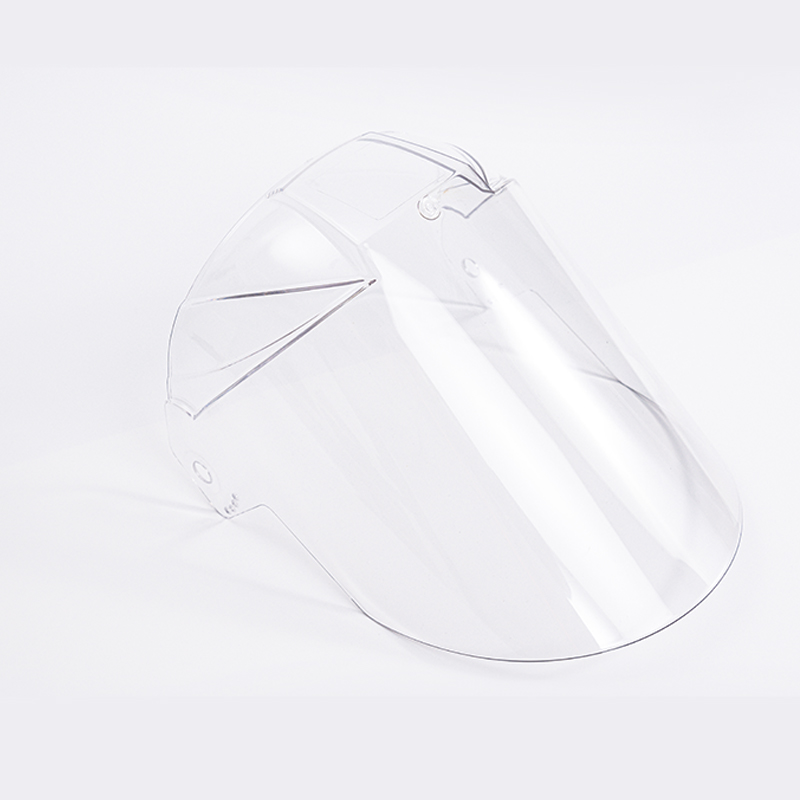
Buying uncertified equipment invites disaster. We must rely on established frameworks to guarantee protection levels. You should never trust generic packaging labels. True safety requires rigorous, standardized testing.
This standard dictates eye and face protection performance in the United States. You must understand the core difference between basic and high-velocity ratings. A standard "Z87" mark indicates basic impact resistance only. A "Z87+" mark guarantees high-velocity impact protection. The standard also utilizes hazard-specific markings. You might see "D3" for chemical splash. You will see "W" followed by a specific shade number for welding applications.
European standards take a slightly different approach. EN 166 breaks performance down strictly. It defines both optical and mechanical classes. Optical Class 1 is mandatory for continuous work. It prevents visual fatigue over long shifts. Mechanical strength uses specific letters. The letter "B" indicates protection against medium energy impacts. The letter "A" designates high energy impact resistance. You must match the letter to your hazard matrix.
How do you verify these safety claims? Advise your procurement teams to check the actual equipment. True certification requires permanently engraved markings. You will find these stamps directly on the visor edge. They also appear on the headgear frame. Do not rely solely on the cardboard packaging. Parts easily get mixed up on the factory floor.
Workers will discard uncomfortable gear quickly. We constantly see excellent protective equipment abandoned. It often causes pain or impairs vision. You must prioritize daily usability to maintain compliance.
Fogging remains the primary reason workers remove their PPE. Sudden blindness from fog creates an immediate hazard. Look for permanent, dual-action coatings baked into the material. Cheap spray-on treatments wear off after just a few shifts. You need permanent anti-fog solutions. Anti-scratch coatings also extend the usable life of the lens significantly.
The suspension system carries the equipment's entire weight. Pin-lock suspensions are inexpensive. However, they remain difficult to adjust while wearing heavy gloves. Ratcheting suspensions solve this problem. They allow quick, precise adjustments on the fly. You should also highlight the importance of high-quality sweatbands. Multi-point weight distribution systems reduce neck strain during long, grueling shifts.
Coverage matters immensely. Visors come in standard, chin-guard, and extended-crown designs. Standard visors leave the vulnerable neck exposed. Bottom-up splash risks necessitate integrated chin guards. Extended crowns protect the forehead safely. They block falling debris. They also prevent downward fluid ingress from reaching the eyes.
Evaluate how easily users can swap out a damaged lens. Tool-less, quick-change visors save valuable time. They reduce maintenance frustration directly. Easy replacement mechanisms encourage workers to swap scratched lenses promptly. They will not continue working with impaired vision if the swap is fast and simple.
A visor rarely acts alone. You must integrate it seamlessly with other protective elements. Poor integration creates dangerous gaps in your safety armor. It also causes severe physical discomfort.
OSHA and major safety standard bodies share a strict categorization. They explicitly classify face shields as secondary protection. They absolutely do not replace safety glasses or goggles. A shield blocks large flying hazards. It stops direct frontal splashes. However, small particles can easily bounce under the bottom edge. These particles can strike unprotected eyes.
You must ensure the chosen visor fits seamlessly over primary eyewear. It needs to accommodate prescription glasses. It must fit over low-profile safety goggles. It should clear half-mask respirators easily. A poorly shaped visor will break the respirator seal. It might also press goggles painfully into the wearer's face. This creates severe, distracting pressure points.
Facilities require different mounting strategies based on overhead risks. Dedicated headgear visors work well when workers do not need hard hats. Conversely, hard-hat-mounted bracket systems attach directly to the helmet brim. We call these cap-mounts. You must verify that the cap-mount bracket perfectly matches your specific hard hat brand. It must lock onto the shell design securely.
Selecting the perfect protective gear takes structured testing. You should never roll out a new product line across the entire facility blindly. We highly recommend a methodical, data-driven approach to product selection.
You need an objective way to compare different models. Build a simple scoring system. Weigh factors like impact rating and chemical resistance. Add replacement speed to the score. Base these specific weights directly on your site-specific hazard assessments. Do not guess; use your incident logs.
Follow these steps to conduct a reliable field trial:
Distribute product samples to a small group of high-risk workers.
Let them use the gear for one to two full weeks.
Collect structured feedback regarding optical clarity and potential visual distortion.
Ask them to monitor fogging levels during heavy physical exertion.
Evaluate their end-of-shift comfort to rule out dangerous pressure points.
Your vendor must act as a reliable safety partner. Ensure the supplier provides verifiable certification documents upfront. They must also maintain reliable supply chains for replacement visors. Running out of replacement lenses causes major issues. It quickly forces workers to use damaged, unsafe equipment on the floor.
Choosing the correct safety visor remains a critical exercise in risk management. It relies heavily on applied material science. You cannot afford to simply purchase the cheapest bulk option available. Your workers rely on these physical barriers to prevent life-altering injuries.
Audit your current hazard logs to identify the exact kinetic, chemical, or thermal threats present.
Match those specific threats directly to the appropriate material and structural standard (like ANSI Z87+).
Prioritize user comfort features such as ratcheting headgear and permanent anti-fog coatings to guarantee daily compliance.
Ensure secondary visors integrate flawlessly with primary safety glasses and respiratory equipment.
Consult with a qualified safety specialist today. Request detailed product data sheets from your suppliers. Order a dedicated sample kit to begin facility testing immediately.
A: No. Face shields are secondary protection and must be worn over primary safety glasses or goggles to comply with standard safety regulations.
A: Visors should be replaced when scratched, pitted, or clouded. Headgear can last years if properly sanitized and maintained. Lifespan depends entirely on the environment and cleaning protocols.
A: Use mild soap and lukewarm water or manufacturer-approved lens wipes. Avoid harsh solvents (like ammonia or alcohol) which can strip anti-fog coatings and degrade polycarbonate.
A: Not inherently. While polycarbonate is a high-impact material, the shield must be specifically tested and stamped with ANSI Z87+ (or equivalent) to guarantee high-velocity impact protection.


