
Views: 0 Author: Site Editor Publish Time: 2026-07-30 Origin: Site


Workers must wear hearing protection for the entire duration of their exposure to hazardous noise. In heavy industrial settings, this often means wearing personal protective equipment for 8 to 12 hours straight. A severe operational conflict exists between mandatory occupational noise compliance and the physical reality of worker fatigue during extended shifts. While safety regulations mandate continuous protection in high-noise environments, poorly specified gear leads to unauthorized removal. This exposes workers to irreversible Noise-Induced Hearing Loss (NIHL) and employers to severe compliance liabilities. Determining maximum wear time requires analyzing regulatory exposure limits, physical ergonomic constraints, and specific product features. You cannot simply hand out generic gear and expect full-shift compliance. Discomfort drives non-compliance. To keep workers protected, you must evaluate and select equipment specifically designed for long-term wear.
Regulatory Baselines & HCPs: OSHA and CCOHS mandate hearing protection and the establishment of a formal Hearing Conservation Program (HCP) when noise exposure meets or exceeds 85 dBA over an 8-hour Time-Weighted Average (TWA).
Realistic Attenuation Limits: Well-fitted safety earmuffs typically cut noise by 15 to 30 decibels (dB) in real-world applications, which dictates how long a worker can safely remain in a high-noise zone.
Ergonomic Thresholds: Physical wear time is strictly limited by clamping force, cushion breathability, and overall weight; discomfort typically peaks after 4–6 hours without proper ergonomic selection.
The Over-Protection Risk: Selecting the highest Noise Reduction Rating (NRR) is not always optimal; excessive noise blocking can isolate workers, prompting early removal of PPE.
Double Protection Requirements: Environments exceeding 100–105 dBA require combining earplugs with over ear hearing protection, which significantly alters comfort dynamics and maximum continuous wear time.
Occupational safety organizations strictly regulate noise exposure across all industrial sectors. OSHA, NIOSH, and CCOHS establish 85 dBA as the threshold for an 8-hour shift. This baseline dictates your operational limits on the floor. The exchange rate determines how permissible exposure time decreases as noise increases. OSHA uses a 5 dB exchange rate. If noise levels hit 90 dBA, the safe exposure time drops to four hours. NIOSH recommends a stricter 3 dB exchange rate. Understanding these metrics is vital for shift planning and worker rotation schedules.
Reaching the 85 dBA threshold triggers mandatory action from site management. Employers must implement a formal Hearing Conservation Program (HCP). This program requires regular audiometric testing for all exposed workers to track any hearing degradation over time. You must provide comprehensive training on proper PPE usage, maintenance, and storage. Strict monitoring of daily wear times becomes a legal requirement. You cannot bypass these administrative controls without facing severe penalties during an audit.
Standard Safety Earmuffs cut noise by 15 to 30 decibels when correctly fitted. This actual mitigation performance dictates safe work-shift durations. If a workspace averages 100 dBA, a 20 dB reduction brings the exposure down to 80 dBA. This allows a full 8-hour shift without exceeding the TWA. Poor fitment drastically reduces this protection, leaving workers vulnerable even when they think they are safe.
The law requires continuous wear while inside designated noise hazard zones. Workers cannot remove their protection for even a few minutes to talk or cool down. Removing gear in a 100 dBA environment quickly halves the effective daily protection. Permissible removal only occurs in verified quiet zones. Break rooms, administrative offices, and designated rest areas must fall below the 85 dBA threshold to allow workers to safely remove their gear.
You must derate the manufacturer's NRR to estimate real-world protection. Laboratory conditions rarely match field realities where safety glasses, hair, and movement break the acoustic seal. OSHA recommends subtracting 7 from the NRR and dividing the result by 2. An NRR of 27 provides roughly 10 dB of actual field attenuation. This derating process directly impacts how long a specific device remains legally viable in your environment.
| Noise Level (dBA) | OSHA Permissible Exposure Time (5 dB Exchange) | NIOSH Recommended Exposure Time (3 dB Exchange) |
|---|---|---|
| 85 | 16 Hours | 8 Hours |
| 90 | 8 Hours | 2.5 Hours |
| 95 | 4 Hours | 47 Minutes |
| 100 | 2 Hours | 15 Minutes |
| 105 | 1 Hour | 4.7 Minutes |
Clamping force dictates temporal and jaw fatigue during long shifts. The headband must apply pressure to maintain an acoustic seal against the skull. High tension causes headaches over an 8-hour shift, leading to unauthorized removal. Adjustable headbands allow workers to customize the fit to their specific head shape. Fixed-tension models often cause severe discomfort after just two hours of continuous wear. You must balance seal integrity with physical comfort to ensure compliance.
Thermal buildup inside the ear cup accelerates user fatigue rapidly. This is especially true in non-climate-controlled facilities, outdoor construction sites, or heavy industrial environments near furnaces. Cushion materials play a massive role in heat dissipation. PVC cushions trap heat and sweat quickly, causing skin maceration. Polyurethane offers better breathability and conforms well to the head. Silicone-gel cushions conform perfectly and resist sweat buildup while providing a cooling effect. CCOHS safety findings note that hot, humid work areas make earmuffs harder to wear continuously than earplugs.
Weight directly correlates to neck strain and upper back fatigue. High-NRR muffs require denser acoustic foam to block sound waves. They also need larger cup volumes to block low-frequency noise effectively. This added bulk increases neck fatigue over 8-to-12-hour shifts. Workers performing tasks that require constant head movement, such as crane operators or forklift drivers, suffer the most. Lightweight models reduce this physical burden significantly, extending comfortable wear time.
Material degradation leads to seal leakage and reduced protection. Sweat, UV exposure, and body oils break down cushion elasticity over time. Over a single shift, cushions can compress and lose their shape due to body heat and pressure. This causes gradual acoustic leakage, letting dangerous noise reach the eardrum. It also creates physical irritation against the skin. Regular maintenance and replacement prevent these issues and maintain the NRR rating.
Inspect cushions daily for cracks, stiffness, or permanent compression.
Wipe down the ear cups and cushions with mild soap and water after every shift.
Store the equipment in a cool, dry place away from direct sunlight to prevent UV degradation.
Replace the hygiene kit (cushions and foam inserts) every six months, or sooner in harsh environments.
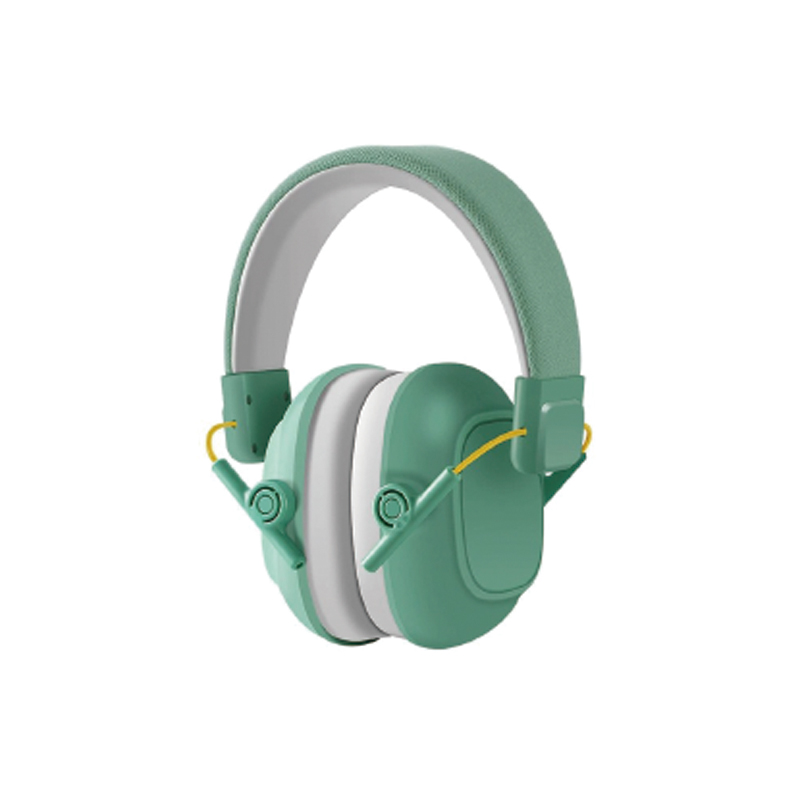
Hygiene factors heavily influence PPE selection on the job site. Dirty, dusty environments pose severe risks for earplug users. Inserting foam earplugs with soiled hands introduces bacteria, metal shavings, or chemical dust into the ear canal. This presents a high infection risk and can cause severe ear canal abrasions. Over Ear Hearing Protection eliminates this specific hazard entirely. Workers can don and doff them without touching the internal acoustic components or their ear canals.
Fitment consistency favors external protection for active workers. Earmuffs provide a reliable acoustic seal over time, regardless of jaw movement. Earplugs often back out of the ear canal during normal activities. Talking, chewing, or yawning breaks the internal seal, reducing protection to near zero. Workers must constantly readjust earplugs, risking contamination with dirty hands. External cups maintain their position much better during active tasks, ensuring continuous protection.
Extreme climates force a comfort trade-off that safety managers must navigate. Hot, humid work zones make heavy sweat accumulation a real problem for external cups. Sweat pools inside the cup, causing discomfort and skin breakdown. However, ear canal irritation from plugs can be equally distracting in dusty environments. You must map the decision matrix based on specific site conditions and worker feedback. Sometimes, rotating between both types during a shift offers the best relief and maintains compliance.
| Environment Type | Recommended Protection | Primary Reason |
|---|---|---|
| High Dust / Dirty Hands | External Cups | Prevents ear canal infections and abrasions. |
| High Heat / High Humidity | Foam Earplugs | Prevents sweat pooling and skin maceration. |
| Frequent Communication Needed | Active External Cups | Allows speech passthrough without breaking the seal. |
| Extreme Noise (>105 dBA) | Double Protection | Required to block bone conduction and lower exposure. |
Extreme noise environments render single protection insufficient for full-shift wear. Heavy manufacturing, aviation tarmac operations, mining, and forestry often exceed 100-105 dBA. At these extreme levels, sound waves travel through the skull bones directly to the inner ear. This bone conduction bypasses standard PPE entirely. You must implement double hearing protection to keep exposures below the 85 dBA TWA limit and prevent immediate hearing damage.
The mechanics of double protection confuse many safety managers and workers. Wearing earplugs underneath external cups does not add the two NRRs together. You cannot simply add an NRR 33 plug to an NRR 27 muff and get 60 dB of protection. It typically adds only 5 dB of attenuation to the higher NRR device. If your plugs are NRR 33 and your muffs are NRR 27, your combined maximum NRR is roughly 38. Derating still applies to this combined figure for real-world calculations.
Double protection exacerbates sensory isolation on the floor. It completely cuts off workers from their environment, making it hard to hear alarms, machinery faults, or approaching vehicles. It also increases physical discomfort by combining ear canal pressure with external clamping force. Workers experience higher psychological fatigue due to the isolation. This necessitates stricter administrative controls. You must implement shorter shift intervals. More frequent rotation out of noise hazard zones becomes critical for worker safety and morale.
Feature-to-outcome mapping simplifies procurement for safety teams. Replaceable hygiene kits extend the lifecycle of the unit, saving money over time. Swapping cushions prevents skin irritation and restores acoustic seal integrity after months of compression. Multi-position headbands allow integration with welding shields, face shields, or hard hats. This ensures workers do not compromise the acoustic seal when wearing multiple types of required PPE simultaneously.
Active listening features reduce the psychological fatigue of isolation. Electronic, level-dependent models amplify ambient speech and warning signals. They instantly compress hazardous noise impulses, like a hammer strike or pneumatic exhaust, to safe levels. This allows workers to communicate clearly without removing their protection. Active features significantly extend practical wear time by keeping workers engaged with their surroundings and reducing the urge to lift a cup to hear.
Scalability matters for facility-wide deployment across hundreds of workers. Standardizing a specific model requires careful planning and budget analysis. You must factor in replacement part availability from your supplier. The cost of hygiene kits impacts long-term operating budgets. Universal fitment for diverse head shapes ensures all workers receive adequate protection without needing custom orders.
Assess the primary noise frequencies (high vs. low) to select the appropriate cup volume.
Evaluate the compatibility of the headband with existing hard hats and safety glasses.
Calculate the total cost of ownership by factoring in hygiene kit replacements every six months.
Test active listening models in high-traffic areas to measure improvements in situational awareness.
The communication barrier presents a massive safety risk on active sites. Workers often lift one ear cup to hear instructions from a supervisor or spotter. This instantly nullifies the 8-hour TWA protection. A few minutes of unprotected exposure in a 105 dBA zone causes permanent damage to the hair cells in the cochlea. You must provide communication-enabled PPE or establish clear hand signals to eliminate this dangerous behavior.
PPE interference breaks the acoustic seal and ruins the NRR. Safety glasses with thick temples create gaps under the cushion. This reduces the NRR by up to 5-10 dB, letting dangerous noise leak in. It also causes localized pressure points against the skull, leading to severe headaches. Workers will remove the gear to stop the pain. Sourcing safety glasses with ultra-thin or flat temples solves this issue and maintains the seal.
End-of-shift warning signs indicate a breakdown of protection or excessive wear time. Physical ear canal soreness suggests poor fitment or dirty earplugs. Temporal headaches point to excessive clamping force from the headband. Mild end-of-shift tinnitus, or ringing in the ears, indicates acoustic leakage and overexposure. You must train workers to report these symptoms immediately so you can adjust their PPE.
Mitigation strategies require proactive management from floor supervisors. Schedule mandatory breaks in verified quiet areas to give ears a rest. Transition to active-listening models for high-communication roles like riggers or foremen. Audit your PPE combinations regularly on the floor. Ensure hard hats, respirators, and eyewear do not interfere with hearing protection seals during actual work tasks.
Conduct a facility-wide noise dosimetry audit to determine the exact NRR requirements for each specific work zone.
Run a field trial of two to three shortlisted models with a sample group of workers to gather real-world comfort feedback.
Source and mandate safety glasses with ultra-thin or flat temples to prevent acoustic seal breakage.
Establish a strict, calendar-based replacement schedule for hygiene kits and cushions to maintain optimal attenuation.
A: Yes, you can wear them for a 12-hour shift if the noise exposure requires it. However, you must select lightweight models with low clamping force and breathable cushions to prevent severe physical fatigue and skin irritation.
A: Thick safety glass temples break the acoustic seal of the ear cushion. This gap allows hazardous noise to enter, reducing the effective NRR by 5 to 10 decibels. Always pair them with flat or ultra-thin temple glasses.
A: Replace cushions and foam inserts every 6 months under normal daily use. In extreme environments with heavy sweat, dust, or UV exposure, replace them every 3 to 4 months to maintain the acoustic seal.
A: Passive protection uses foam and plastic to block all noise equally. Active protection uses external microphones and internal speakers to amplify ambient speech while instantly compressing hazardous loud noises to safe levels.
A: They are generally safer than earplugs regarding infections because nothing enters the ear canal. However, poor hygiene and trapped sweat inside the cup can cause outer ear skin irritation if not cleaned regularly.
A: OSHA recommends derating the manufacturer's NRR to estimate real-world protection. Subtract 7 from the listed NRR, then divide the result by 2. This accounts for poor fitment and workplace variables.


