
Views: 0 Author: Site Editor Publish Time: 2026-08-16 Origin: Site


Industrial welding environments are entirely unforgiving. Extreme radiant heat, intense UV exposure, and heavy molten metal spatter rapidly destroy standard protective fabrics on the shop floor. High failure rates of inadequate personal protective equipment lead directly to severe thermal burns. They also reduce worker productivity and force constant gear replacements. Evaluating material science is critical for establishing baseline safety. Understanding the structural advantages and operational trade-offs of heavy hide gives safety managers and welders a clear framework. You can select long-lasting, compliant gear that prevents injuries during heavy fabrication. We will explore exactly why this material remains the dominant choice for high-amperage applications, overhead positional work, and heavy grinding tasks.
Cowhide’s dense fiber structure offers the highest baseline resistance to burn-through from heavy spatter and molten slag compared to lighter leathers or treated fabrics.
Maximum thermal and kinetic protection comes with inherent trade-offs, specifically regarding garment weight, mobility restrictions, and potential heat stress.
Strategic deployment of specific garments, such as integrating a leather safety apron with hybrid jackets, balances heavy-duty protection with ergonomic sustainability.
Long-term ROI on cowhide PPE is heavily dependent on strict maintenance protocols to prevent drying, cracking, and seam failure.
High-amperage processes like SMAW and FCAW generate massive amounts of heavy spatter. Molten slag carries high kinetic energy and significant thermal mass. When a quarter-inch glob of liquid steel strikes a welder's shoulder, it transfers heat instantly. Substandard materials melt or burn through immediately upon impact. You need a physical barrier capable of absorbing and deflecting this intense energy before it reaches the skin. Operators running 7018 stick electrodes out of position know that gravity dictates where the slag falls, making frontal protection non-negotiable.
Beyond visible sparks, the welding arc emits intense ultraviolet and infrared radiation. This invisible threat easily penetrates thin or degrading materials. Continuous exposure causes severe skin burns identical to extreme sunburns, often referred to as arc flash on the skin. Welders require dense, opaque materials that block the entire spectrum of arc radiation completely. Even a small gap in coverage can result in a painful burn by the end of a ten-hour shift.
Shop environments also present heavy mechanical hazards daily. Welders constantly handle sharp metal edges, freshly beveled pipe, and rough diamond tread plate. They grind heavy fabrication pieces and lean against rough steel structures to stabilize their hands. These environmental abrasions compromise garment integrity long before thermal failure even occurs. Protective gear must survive brutal physical punishment just from moving around the shop floor.
Effective welding apparel must meet specific performance thresholds to keep operators safe. Burn-through resistance is the primary metric for safety. Materials must withstand direct, prolonged contact with molten metal splashes. They must do this without transferring lethal heat to the skin beneath the garment. If a material chars but holds its structure, it does its job.
Tensile strength and puncture resistance are equally important. Heavy industrial fabrication demands gear that survives constant friction and sharp impacts. A jacket that tears on a sharp pipe edge becomes a severe safety hazard. Sparks will immediately find their way into the tear and ignite the clothing underneath. Operators cannot afford to worry about tearing their sleeves while maneuvering inside a tight vessel.
Regulatory compliance provides the strict evaluation lens for these metrics. OSHA guidelines and ISO 11611 standards dictate the minimum performance requirements for protective clothing. Gear must pass rigorous flammability and radiant heat tests to qualify for professional use. We evaluate material failure through three distinct phases:
Initial Strike: The exact moment molten metal impacts the garment surface and transfers kinetic energy.
Heat Transfer: The rate at which thermal energy moves through the material layers toward the operator's skin.
Structural Breach: The point where the material physically opens, exposing the operator to direct burns.
Cowhide offers superior bulk and structural integrity. Its dense fiber matrix is significantly thicker than pigskin. Pigskin contains hair follicles that penetrate entirely through the hide, which makes it thinner, more pliable, and highly breathable. However, cowhide provides a much stronger physical barrier against heavy impacts. It stops large molten droplets that would easily burn through the natural ventilation holes of lighter hides.
This density dictates precise application mapping on the job site. Cowhide dominates high-spatter applications like overhead pipe welding or heavy equipment repair. You need maximum thickness when gravity pulls slag directly onto your chest and arms. Pigskin is often relegated to lower-amperage TIG welding or tasks requiring high mobility where heavy spatter is not a factor.
Moisture performance also differs significantly between the two. Both materials absorb environmental wetness and internal sweat during a long shift. Pigskin tends to stay softer after drying out. Cowhide requires proactive conditioning to prevent stiffening after heavy sweat accumulation. Neglecting this maintenance leads to rapid degradation, making the garment stiff and uncomfortable.
Chemical FR treatments on cotton degrade predictably over time. Repeated washing and continuous UV exposure strip the protective chemicals away from the cotton fibers. FR cotton eventually loses its flame resistance entirely. Welders often fail to notice this degradation until a spark burns through their sleeve during a weld. FR cotton is suitable for light TIG work, but it fails rapidly under heavy FCAW spatter.
Synthetics present catastrophic failure modes in high-heat environments. Under direct molten metal contact, many synthetic fibers melt instantly. They fuse directly to the skin, causing horrific, deep tissue injuries that require extensive medical treatment. Natural leather entirely mitigates this severe risk. It chars, hardens, and eventually turns to ash rather than melting into a liquid plastic.
Consider the cost-to-lifespan ratio carefully. FR cotton requires a highly frequent replacement cycle. Welders burn through cotton shirts rapidly in heavy fabrication shops, sometimes destroying a shirt in a single week. Properly maintained Cowhide Leather Protection offers multi-year durability. This makes it a far more reliable and protective choice for daily heavy industrial use.
Aluminized suits reflect extreme radiant heat but lack basic comfort and utility for standard welding. They are stiff, cumbersome, and severely restrict movement. Cowhide is preferred for baseline wearer comfort and flexibility. It conforms to the body while offering excellent tactile feedback. Welders need to move freely to maintain puddle control and manipulate the stinger or MIG gun.
Natural hide also provides a better micro-climate for the wearer. Despite its heavy weight, leather remains inherently porous at a microscopic level. It allows for better internal temperature regulation than fully synthetic heat shields. Aluminized gear traps body heat completely, acting like a sauna. This accelerates worker exhaustion in warm environments and limits the amount of time an operator can spend under the hood.
Aluminized coatings can scratch and degrade when dragged across rough steel. Once the reflective coating is compromised, the underlying fabric is vulnerable to burn-through. Leather maintains its protective qualities even after significant surface abrasion.
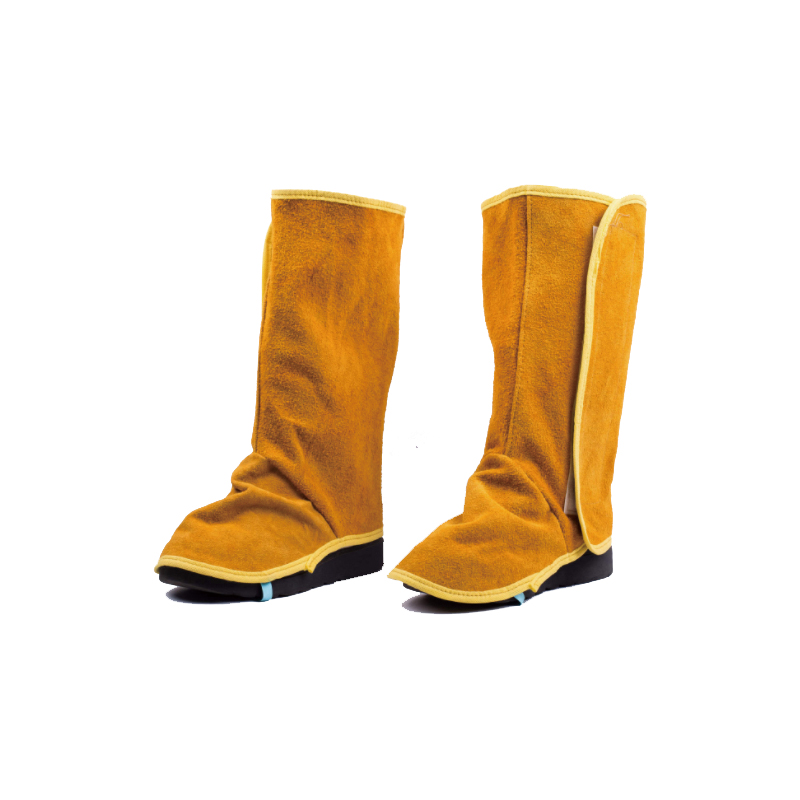
The tightly woven natural fiber structure of cowhide acts as a physical fortress. It blocks sparks from embedding into the material. Heavy slag simply bounces off the dense surface rather than burning a hole. This deflection is critical for preventing heat transfer to the skin. The thicker the hide, the longer it takes for thermal energy to penetrate.
Natural animal hide oils enhance this heat deflection significantly. These embedded oils prevent the leather from immediately combusting under extreme temperatures. They provide a buffer against thermal shock. The oils absorb the initial heat impact, protecting the underlying fibers from drying out and igniting instantly.
Thickness variability impacts overall performance. Top grain leather offers a smoother surface and better flexibility, making it ideal for gloves and lighter jackets. Split leather provides maximum thickness and superior thermal resistance, making it the standard for heavy apparel. Safety managers choose specific cuts to balance thermal protection and flexibility based on the specific welding process.
Cowhide delivers unmatched longevity in highly abrasive environments. It resists cuts and tears from sharp steel plates and freshly cut pipe. It easily deflects flying grinding debris from heavy angle grinders. You can drag a heavy cowhide sleeve across a rough concrete floor or diamond tread plate without destroying the structural integrity of the garment.
It also features inherent surface resistance. Cowhide naturally repels shop dirt, heavy grime, and light surface moisture. This makes baseline exterior maintenance much easier than scrubbing porous fabrics. A quick brush removes most surface contaminants instantly, keeping the gear ready for the next shift.
Structural memory is another unique advantage of natural hide. Cowhide conforms to the wearer over time. It breaks in and molds to your specific body shape, creating a custom fit. It maintains its protective barrier perfectly while doing so. Synthetic fibers stretch, thin out, and eventually fail under the same mechanical stress.
Welding Material Performance Comparison
| Material Type | Burn-Through Resistance | Mechanical Durability | Breathability | Primary Application |
|---|---|---|---|---|
| Heavy Split Hide | Excellent | Excellent | Low | High-amperage SMAW, FCAW, Overhead |
| Pigskin Leather | Moderate | Good | Moderate | TIG Welding, High-mobility tasks |
| FR Treated Cotton | Low | Low | High | Light duty, Shop management |
| Aluminized Fabric | Extreme | Moderate | None | Foundry work, Extreme radiant heat |
Positional welding risks dictate your gear selection entirely. Full heavy-duty jackets are absolutely necessary for overhead welding. They are also required for awkward pipe welding scenarios. In 6G positions, heavy stick spatter falls directly onto the torso, shoulders, and arms. You need comprehensive 360-degree coverage to prevent slag from finding an entry point.
Bench work allows for localized heavy protection. Integrating a Leather Safety Apron manages core body temperature effectively. It provides critical frontal coverage against direct sparks while leaving the back open. It does this without wrapping the entire torso in heavy hide. This setup significantly reduces fatigue during long shifts at a fabrication table.
Standalone cowhide sleeves offer targeted high-heat arm protection. Welders use them during specialized fabrication tasks. They are ideal when only the arms face direct spatter exposure, such as resting an arm on a hot workpiece. You can pair them with lighter torso garments for maximum comfort and specific strike-zone safety.
Construction quality determines garment lifespan just as much as the material itself. Kevlar stitching is a critical necessity for any heavy-duty welding gear. Standard cotton or polyester threads burn away instantly upon spark contact. This causes catastrophic seam failure long before the cowhide itself degrades, leaving the welder exposed. Always verify thread composition before issuing gear.
Hardware evaluation is equally important for safety. Look for dielectric snaps, reinforced stress points, and overlapping closures. These features prevent spark intrusion through gaps in the garment. Exposed metal snaps can conduct heat directly to the skin or trap molten slag against the body. Overlapping leather flaps ensure that no direct path exists for sparks to enter the jacket.
Collar designs must stand up and seal the neck securely to prevent slag from dropping down the shirt. Secure wrist closures are required to seal the PPE envelope. They stop rolling spatter from sliding down into the sleeves or gloves. A loose cuff is a severe burn hazard in any welding position.
Cowhide is exceptionally heavy and lacks high breathability. This reality leads to rapid core temperature elevation in warm environments or during summer months. Welders face severe heat exhaustion if not monitored closely. The physical burden of wearing heavy hide all day drains energy quickly and can lead to dangerous mistakes on the shop floor.
Implementing hybrid PPE setups is the best mitigation strategy. Combine targeted leather protection with breathable fabrics. An FR cotton torso paired with heavy hide sleeves facilitates climate control. It maintains critical strike-zone protection against heavy spatter while allowing body heat to escape through the chest and back.
Hydration and mandatory cooling breaks must accompany heavy leather usage. When operators wear full split-leather jackets in confined spaces, their sweat rate doubles. Safety protocols must account for the thermal burden of the protective gear itself, not just the ambient temperature.
Thick split cowhide requires a mandatory break-in period. Its inherent stiffness can restrict fine motor movements initially. Welders must wear the gear consistently to soften it. The leather will eventually conform to the body, but the first few weeks require patience. Operators may struggle with tight angles until the joints of the jacket loosen up.
Sizing and fit considerations are paramount for safety. Ensure a full range of motion before striking an arc. The garment must not ride up and expose the wrists or lower back when the welder reaches overhead. Awkward welding positions demand gear that stays securely in place without restricting reach or causing muscle strain.
Gusseted underarms and articulated elbows help mitigate these ergonomic restrictions. High-quality garments incorporate these design features to allow welders to manipulate their tools without fighting the weight and stiffness of the leather.
Environmental factors severely impact leather integrity over time. Soaking moisture, heavy sweat, and improper heat-drying destroy the natural fibers. This results in shrinking, hardening, and severe cracking. Once leather cracks, it loses its thermal resistance and mechanical strength entirely. A cracked jacket will catch sparks rather than deflecting them.
Establish standard operating procedures for daily maintenance. Use stiff brushes to remove surface contaminants and metal dust after every shift. Never machine wash welding leather under any circumstances. Water strips the natural oils and ruins the hide permanently.
Apply approved leather conditioners regularly to maintain natural oils and flexibility. Proper care extends garment life significantly. Store leather gear in a dry, well-ventilated area away from direct heat sources. Throwing a sweat-soaked jacket into a hot gang box guarantees rapid degradation and mold growth.
Conduct a localized audit of current PPE failure rates to identify specific high-risk zones on the shop floor.
Survey your welding team regarding heat-stress complaints and mobility issues during summer months.
Initiate a trial program comparing hybrid cowhide configurations against traditional full-leather jackets for bench workers.
Implement a mandatory weekly brushing and conditioning schedule for all heavy-duty hide garments.
Standardize procurement to only include garments constructed with verified Kevlar stitching and dielectric hardware.
A: Cowhide features a much denser and thicker fiber structure than pigskin. Stick welding generates heavy molten slag and large spatter droplets. Cowhide provides the necessary physical mass to deflect this heavy spatter without burning through, whereas thinner pigskin may fail under extreme thermal loads.
A: With proper maintenance, a heavy-duty jacket can last one to three years in a heavy industrial environment. Lifespan depends heavily on the welding process, exposure to abrasives, and how strictly conditioning protocols are followed to prevent the leather from drying and cracking.
A: No. Machine washing strips the natural oils from the hide. The leather will shrink, harden, and crack as it dries, completely ruining its protective qualities. You should clean the gear with a stiff brush to remove dirt and apply specialized leather conditioners.
A: An FR shirt offers minimal protection against heavy molten slag. It will eventually burn through under direct spatter. An apron provides a heavy-duty thermal barrier for your core strike zone while allowing your back and shoulders to breathe through the lighter FR cotton.
A: Yes. The dense, opaque nature of the material completely blocks ultraviolet and infrared radiation generated by the welding arc. As long as the garment has no holes or open seams, it provides total protection against arc flash burns on covered skin.
A: The safest way to soften a new jacket is simply wearing it. Your body heat and movement will naturally break in the fibers. You can also apply a light coat of approved welding leather conditioner to accelerate the process without compromising the material's flame resistance.


